
DRUG ADDICTION TREATMENT FOR FAMILIES AND STUDENTS IN DHANMONDI, DHAKA
AMAR Home has helped families from Dhanmondi seek proper clinical care for drug addiction since 2012. We are DNC-licensed, ISO 9001:2015 certified, and psychiatrist-led. Our center in Uttara is about 35 to 45 minutes from Dhanmondi, fully residential, and completely confidential.
WHY DHANMONDI FAMILIES CHOOSE AMAR HOME
Dhanmondi families tend to research addiction treatment the same way they research anything important: carefully, skeptically, and with specific questions in mind.
The questions we hear most from Dhanmondi families before admission are about credentials, methodology, and outcomes. Not prices. Not location. What they want to know is whether this center will actually work.
Here is what AMAR Home can demonstrate with evidence.
Psychiatrists With Named, Verifiable Credentials
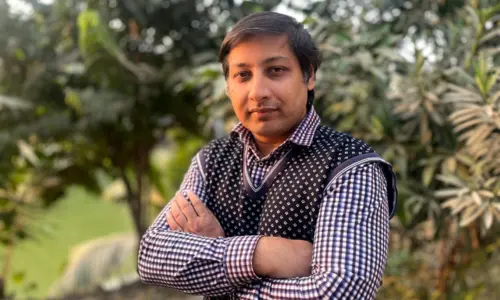
Dr. Chiranjeeb Biswas
Dr. Chiranjeeb Biswas holds an MBBS and MPhil in Psychiatry from Bangladesh Sheikh Mujib Medical University (BSMMU). He is Associate Professor and Head of the Psychiatry Department at Medical College for Women and Hospital. His BMDC registration number is A 49670.
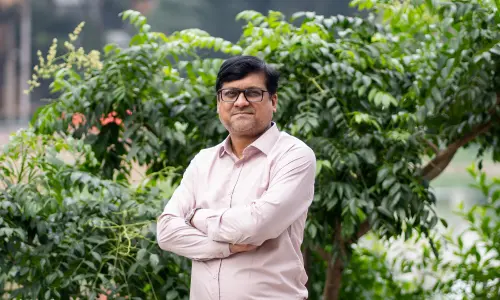
Dr. Mohammad Shibli Sadiq
Dr. Mohammad Shibli Sadiq completed his MD in Psychiatry at BSMMU and serves as Assistant Professor at the National Institute of Mental Health (NIMH). He is a Life Member of the Bangladesh Association of Psychiatrists and an International Member of the American Psychiatric Association. His BMDC registration is A 34144.
A Resident Medical Officer Every Day
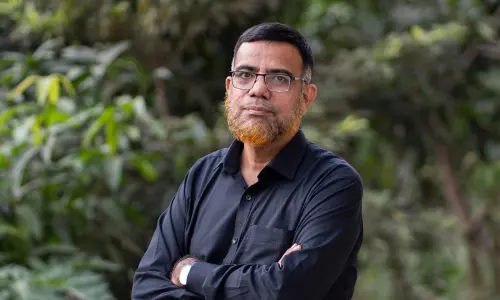
Dr. A.F.M. Masudur Rahman
Dr. A.F.M. Masudur Rahman (MBBS, PGT Psychiatry, BMDC Reg: A-53896) is on-site at AMAR Home daily. He manages clinical assessments on admission, oversees the detoxification process, and handles any acute medical situation in real time.
For families with a young patient going through detox for the first time, this is not an optional feature. It is what makes the difference between a safe process and an unsafe one.
EXCELLENT Based on 172 reviews
 Posted on Google
 Nion Hasan
Trustindex verifies that the original source of the review is Google.
Amar Home provided the right guidance and environment for my friend’s recovery. Their treatment quality makes them the best rehab center in Dhaka. AMAR Home is truly dependable.Posted on Google Rabbi Al MubinHighly recommend Amar Home — the best rehab center in Dhaka. My brother got treatment there, and now he’s doing great. If you’re near Uttara, it’s the right rehab center in Uttara to visit.Posted on Google
 Marjya SheikhAmar Home is the best rehab center in Dhaka. Their care, environment, and programs truly change lives. If you’re looking for a rehab center in Uttara, this is the one to trust.Posted on Google
 Marak Rumi Rumi marakI’m really thankful to Amar Home — the best rehab center in Bangladesh. Their Intensive Drug Rehab Program in Dhaka helped my cousin start a new life.Posted on Google
 Shamsuzzaman TareqI visited Amar Home recently, and I must say it’s an amazing rehab center in Dhaka. Their long term drug rehab in Dhaka plan gives real, lasting recovery.Posted on Google
 Shamsur Rahman RifatMy friend received medical treatment at Amar Home and had a very good experience. The staff were extremely helpful and provided excellent care. They were kind and professional, making sure my friend was well taken care of. I was very impressed by their service.Posted on Google
 Nosto Caleআমি এবং আমার পরিবার AMAR Home এর কাছে চির কৃতজ্ঞ। আমার বড় ভাই নেশাগ্রস্ত ছিল অনেক জায়গায় চিকিৎসা করার পরেও ভালো কোন ফল পাইনি। পরে অনলাইনে আমার হোম ড্রাগ এডিকশন ট্রিটমেন্ট সেন্টার খুঁজে পেলাম এবং তাদের সাথে যোগাযোগ করলাম। তারপর আমার বড় ভাইকে আমার হোম ট্রিটমেন্ট সেন্টারে ভর্তি করলাম। একনাগারে চার মাস চিকিৎসা করার পরে আলহামদুলিল্লাহ বড় ভাই এখন দুই বছর ধরে ভালো আছে।Posted on Google
 M S
M STrustindex verifies that the original source of the review is Google.
Assalamu Alaikum. I would like to know about your organization. Could you please let me know how can I contact with you? ThanksPosted on Google Mushfiqur RahmanI am so grateful for the assistance and attention I got at AMAR Home. The personnel at this place has a genuine understanding of the challenges associated with addiction, and they have always treated me with respect and compassion. Everyone, including the medical staff and counselors, is committed to assisting you in making a full recovery. I felt really understood and supported by the programs because they are thorough and customized to meet each person's needs. This is the right location to begin your journey if you or a loved one needs support. I will always be grateful for the encounter that transformed my life.
GOVERNMENT-LICENSED AND INDEPENDENTLY CERTIFIED
AMAR Home holds a valid license from the Department of Narcotics Control (DNC), Government of Bangladesh. It is also certified to ISO 9001:2015 by ASSIST Certification Services (ACS), accredited by Accred Services International Board (ASIB) in Europe.
The ISO certification covers assessment, counseling, guidance, and treatment of Substance Use Disorder. Both credentials are independently issued. Families can request the license number and verify it directly.
Outcomes Measured Honestly
Since 2012, AMAR Home has treated 1,154 patients. Our sobriety rate is 55%, measured through follow-up calls made every two years after discharge. This is not a claimed rate. It is a tracked one, based on direct contact with former patients.
For families in Dhanmondi who have already read the usual vague claims about ‘high success rates’ on other center websites, this distinction tends to matter.
DRUG ADDICTION IN DHANMONDI: WHAT PARENTS AND FAMILIES ARE ACTUALLY DEALING WITH
Dhanmondi is one of Dhaka’s most densely educated neighborhoods. It sits adjacent to Dhaka University, hosts dozens of private colleges, coaching centers, and student accommodations, and is home to upper-middle-class families who invest heavily in their children’s education.
That context creates a specific addiction pattern that clinicians at AMAR Home recognize immediately when a Dhanmondi family calls.
Student and youth addiction is the dominant pattern
The majority of young people in and around Dhanmondi who develop substance dependency do so through peer networks at coaching centers, university campuses, and the social spaces around Dhanmondi Lake and the surrounding commercial strips. Yaba remains the most common substance, as it is across Dhaka. Research published on Bangladeshi addiction patterns shows that peer group influence accounts for around 60% of initial yaba use among young people. In a high-density student environment like Dhanmondi, that peer network dynamic is unusually intense. Cannabis use among university students is also significantly underreported. Many families discover it only after months of behavioral changes they had attributed to exam stress or adjustment to college life.
Why educated families in Dhanmondi wait too long
Dhanmondi families are often better informed than average about health issues generally. Paradoxically, this sometimes makes the delay longer, not shorter. Parents who are doctors, teachers, engineers, or business professionals often try to manage the situation themselves first. They may attempt family interventions, restrict allowances, impose curfews, or arrange private consultations with general physicians who are not addiction specialists. Each of these steps feels like taking action. None of them address the clinical dependency. By the time a Dhanmondi family calls AMAR Home, the average time since they first noticed a problem is often eight to fourteen months. Getting ahead of that delay is the most important thing we can offer in this conversation.
Academic pressure and addiction: a relationship parents often miss
Dhanmondi students face significant academic pressure. HSC preparation, university admission tests, and the competitive culture around private university rankings create an environment where some students reach for substances as a way to concentrate, stay awake, or manage anxiety. Yaba is specifically marketed by dealers to students as a concentration and energy aid. It is not. It is a methamphetamine compound with a very high addiction risk and serious long-term neurological effects. Parents who catch this early, before dependency is entrenched, have significantly better treatment outcomes.
Signs To Watch in a Dhanmondi Student Or Young Adult
These signs often develop gradually and get explained away as study stress or teenage behavior. Watch for:
Staying awake multiple nights in a row, then crashing for long periods
Grades dropping sharply over one or two semesters with no clear academic explanation
Social circle shrinking to a specific group that family does not know well
Requests for money becoming more frequent and harder to account for
Increased irritability or aggression when questioned about schedule or whereabouts
Physical changes: significant weight loss, skin changes, deteriorating hygiene
Mood swings that feel disconnected from circumstances
Withdrawing from activities and interests they previously cared about
Three or more of these patterns together warrant a clinical assessment, not another conversation at home. Call AMAR Home at +880 1976-131313 for a confidential discussion before making any decision about admission.
TREATMENT PROGRAMS FOR DHANMONDI PATIENTS AT AMAR HOME
Both programs run from our fully residential facility in Uttara. Each patient is assessed individually before a program recommendation is made. The care plan fits the patient, not the other way around.
Intensive Program
17 days
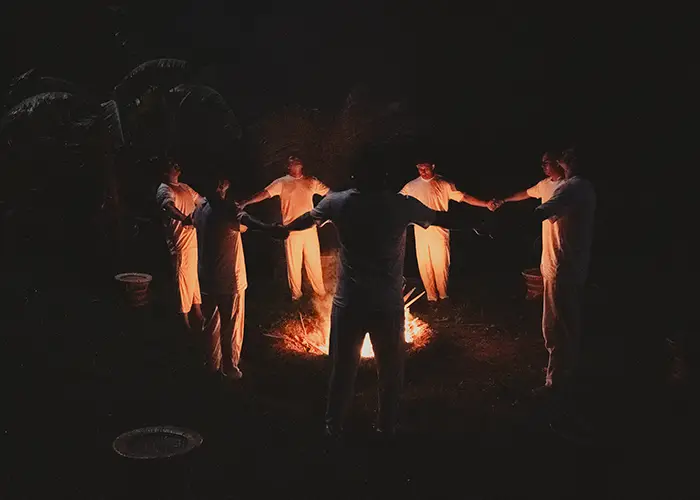
For patients who are voluntarily ready to engage with treatment. Uses 12-Step Facilitation with daily medical supervision and group therapy. For students who can take a semester break or extended leave, this is often a structured starting point.
Long-term Program
Approx. 5 months

The complete recovery pathway. Covers medically supervised detox (15 days), residential therapy (2 months 15 days), intensive meditation (10 days), and structured aftercare (2 months). Recommended for students with established dependency where academic performance has already declined significantly.
AMAR Home also provides confidential drug screening (dope test) for families who need clinical confirmation before making any admission decision. This service is discreet and can be arranged before the student is aware of a formal admission plan.
WHAT A PATIENT FROM DHANMONDI GOES THROUGH AT AMAR HOME
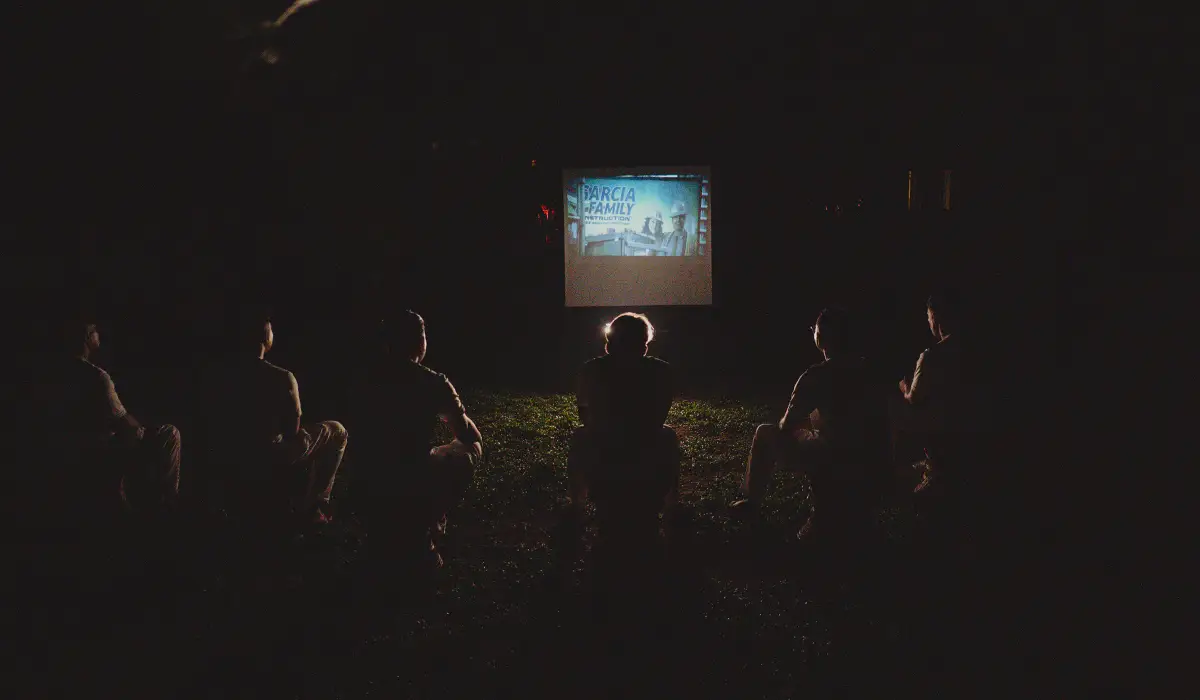
For families managing a young person in active addiction, knowing exactly what happens after the admission call removes a significant amount of anxiety. Here is the process.
Admission and clinical assessment
Every patient goes through a structured clinical assessment on day one. A resident Medical Officer conducts a full physical health review, addiction history, and initial psychiatric screening. Families meet our admissions coordinator before leaving. Nothing is rushed.
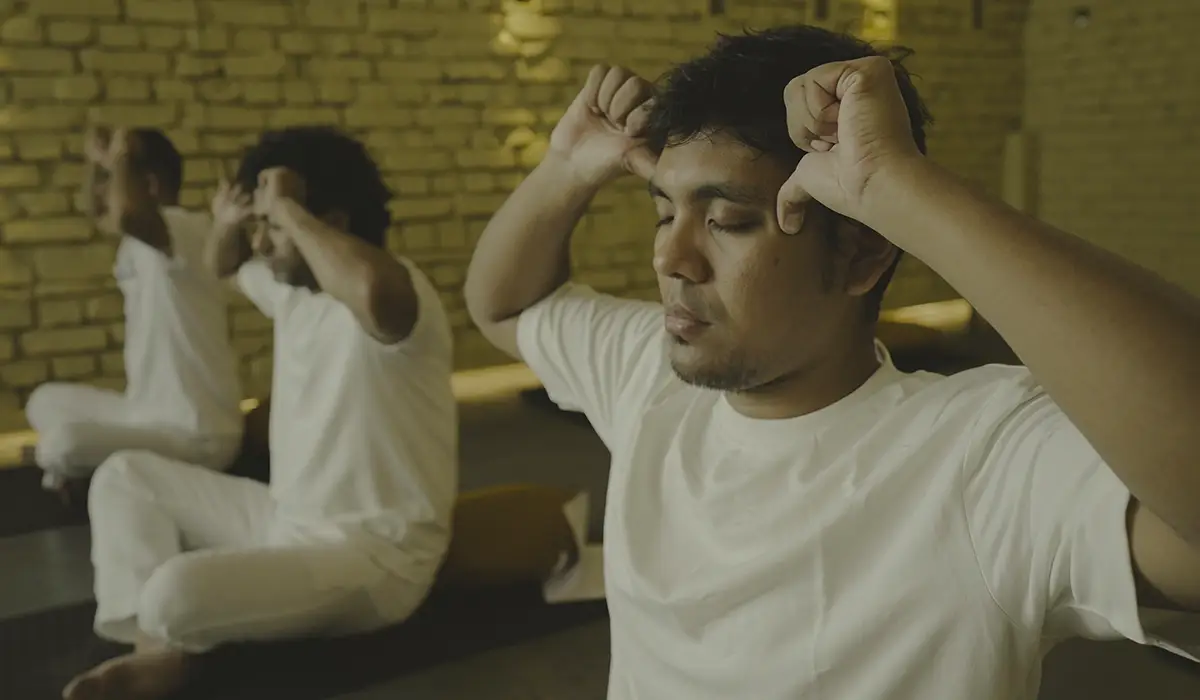
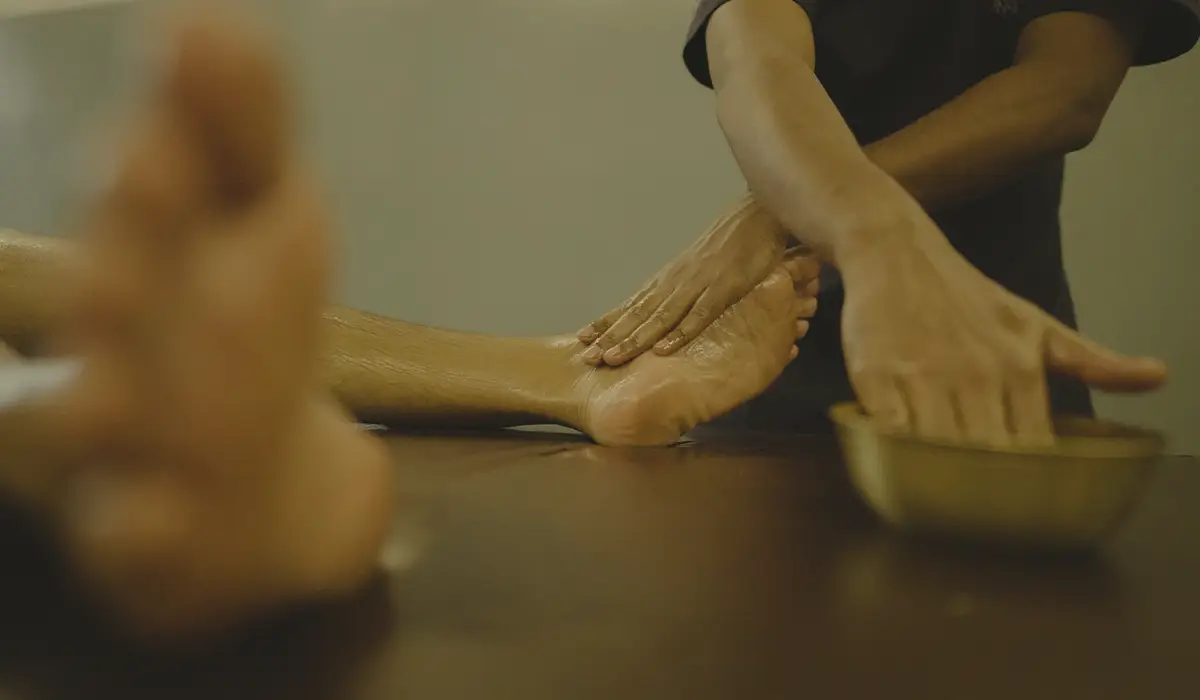
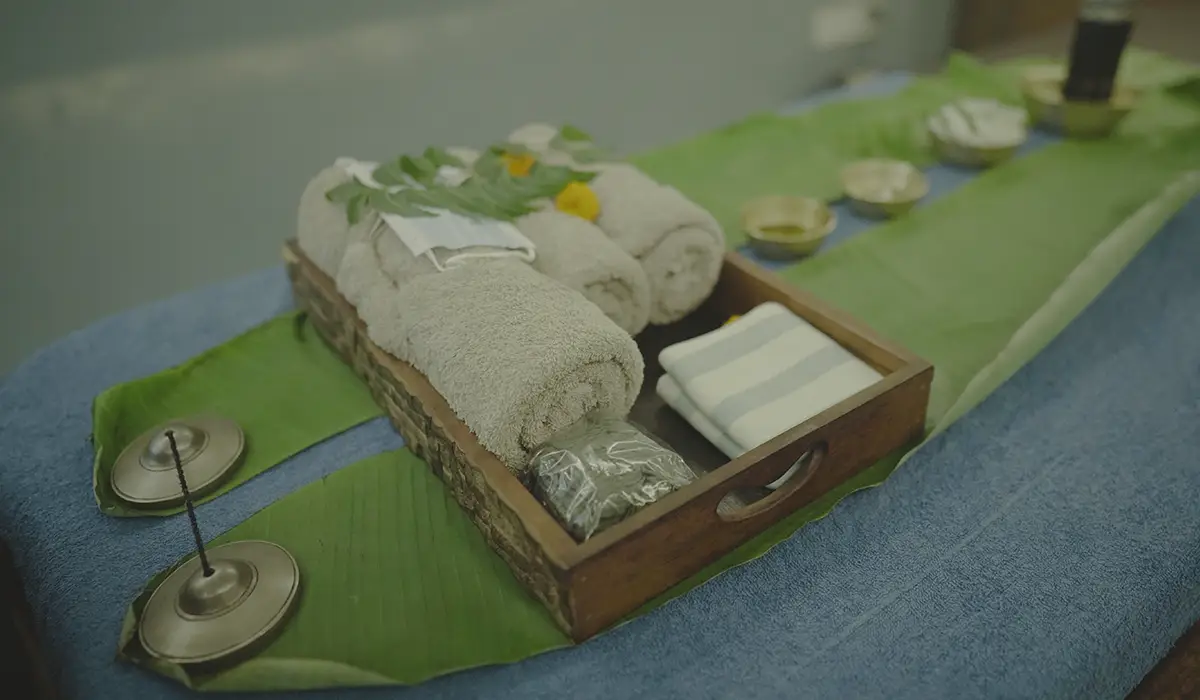
Intensive meditation (10 days)
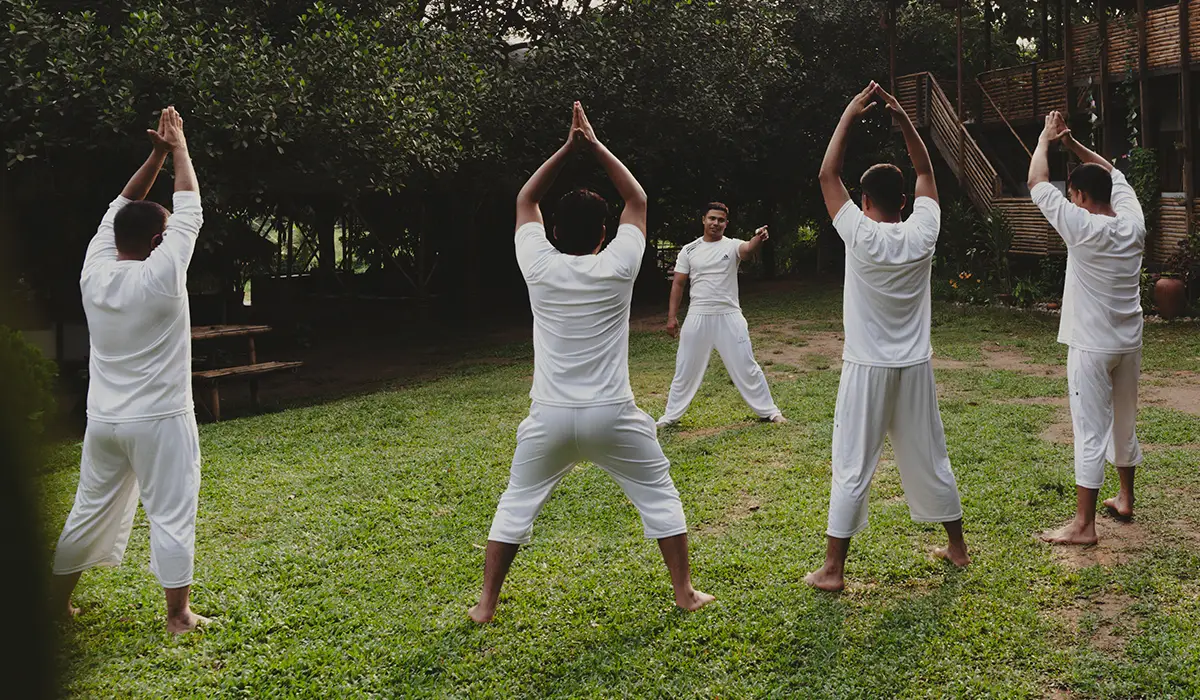
A structured reflection period before discharge. For young patients returning to a student environment with its original peer pressures, this stage builds the internal tools they need to make different decisions when they go back.
Medically supervised detox (15 days)
Physical stabilization under daily medical monitoring. Withdrawal symptoms are managed clinically. For young patients on yaba or cannabis, this stage requires careful psychiatric oversight because psychological withdrawal symptoms are as significant as physical ones.
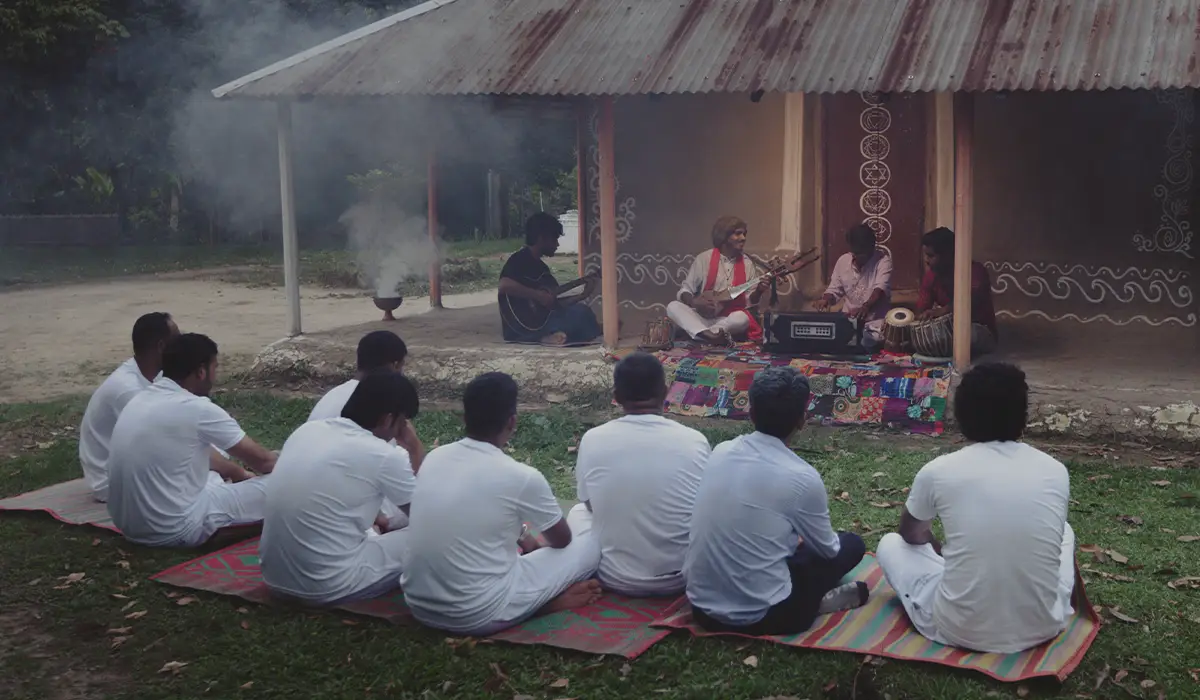
Aftercare and Brotherhood Program (2 months)
Daily online support meetings, peer alumni network, and regular follow-up calls. For students returning to Dhanmondi, this continued structure during the first two months back in their environment is often the critical factor in whether sobriety holds.
Residential therapy (2 months 15 days)
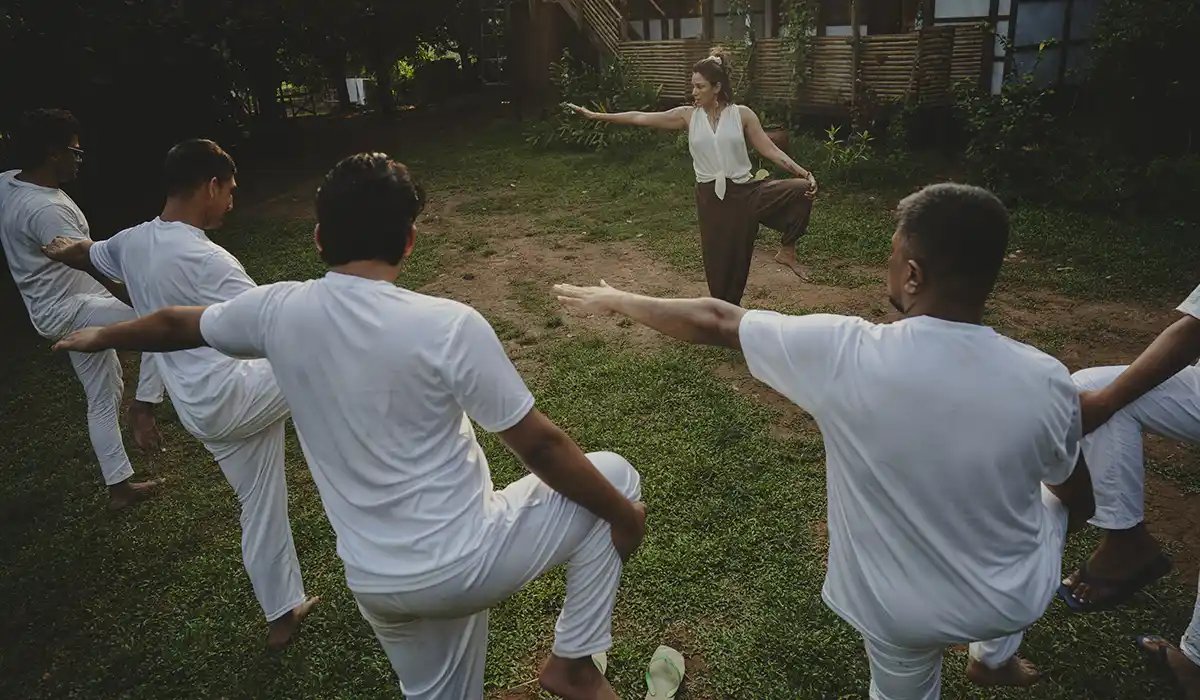
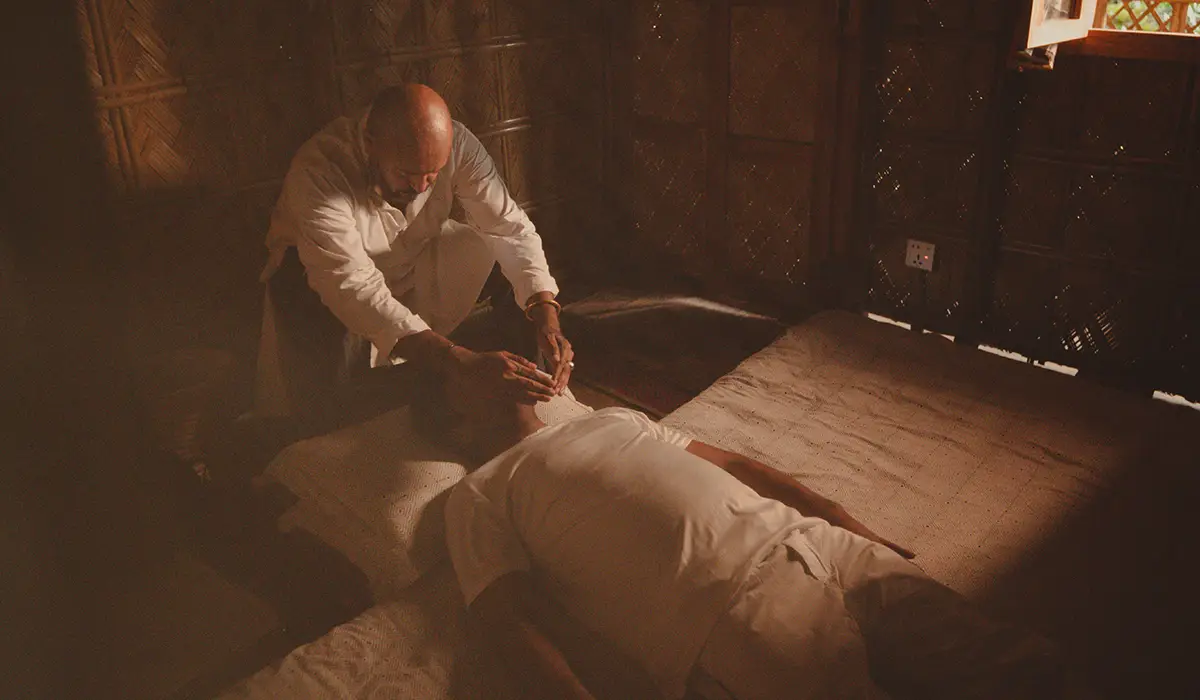
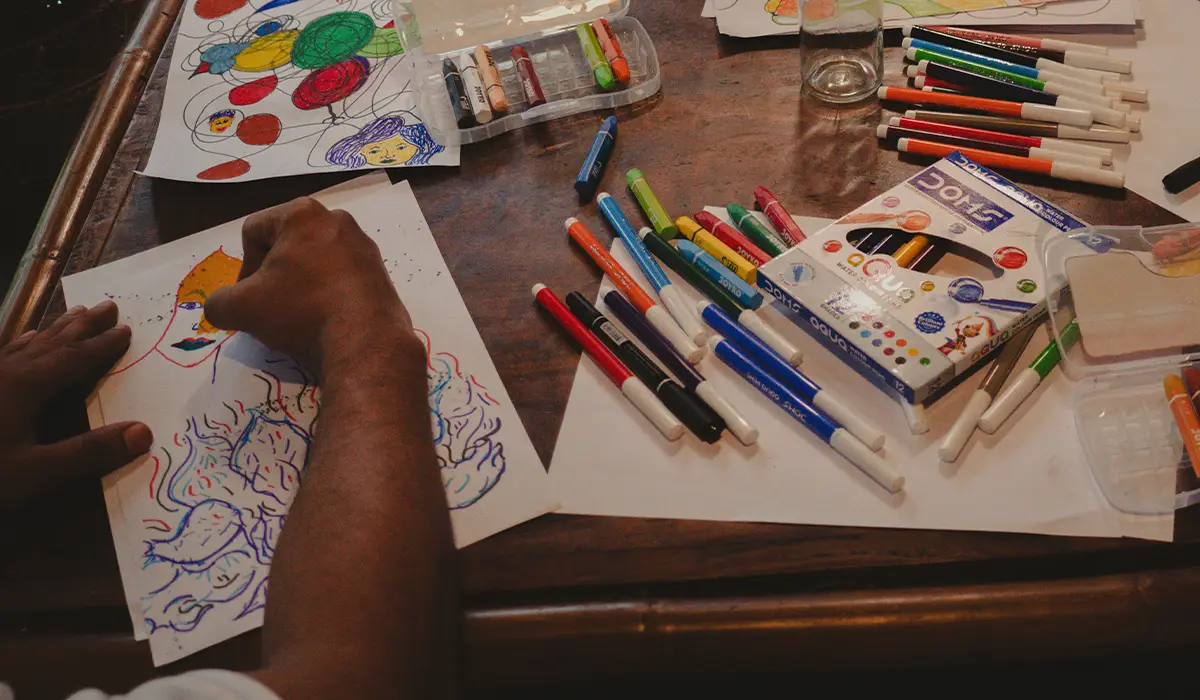
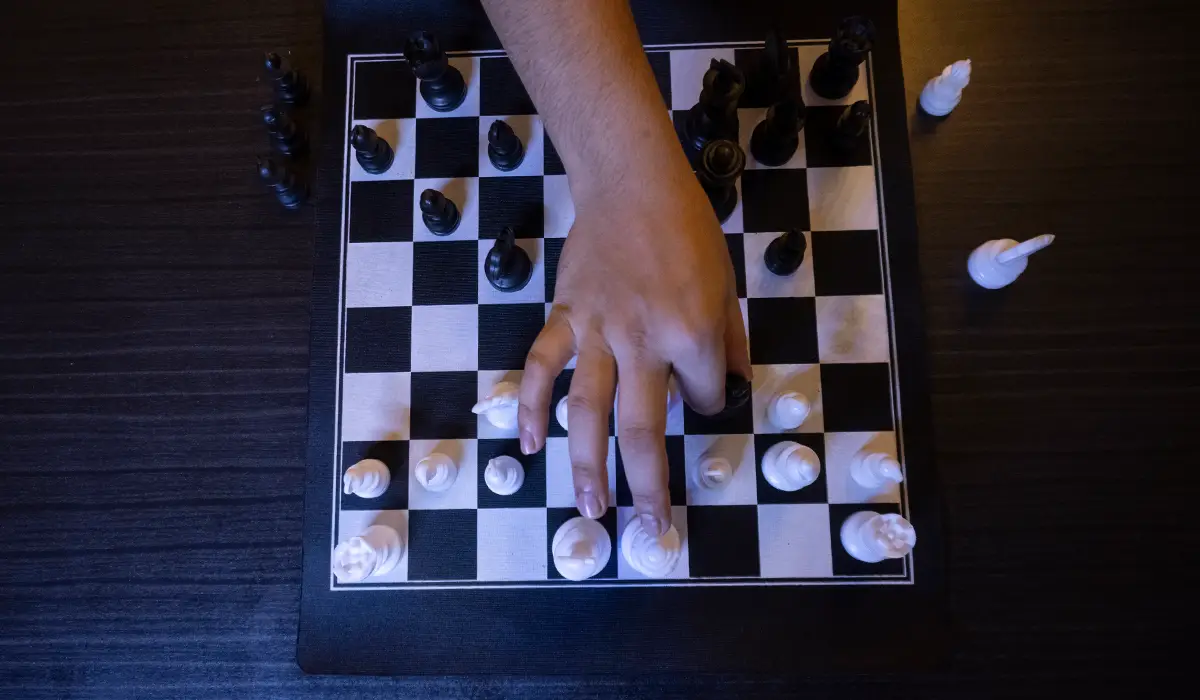
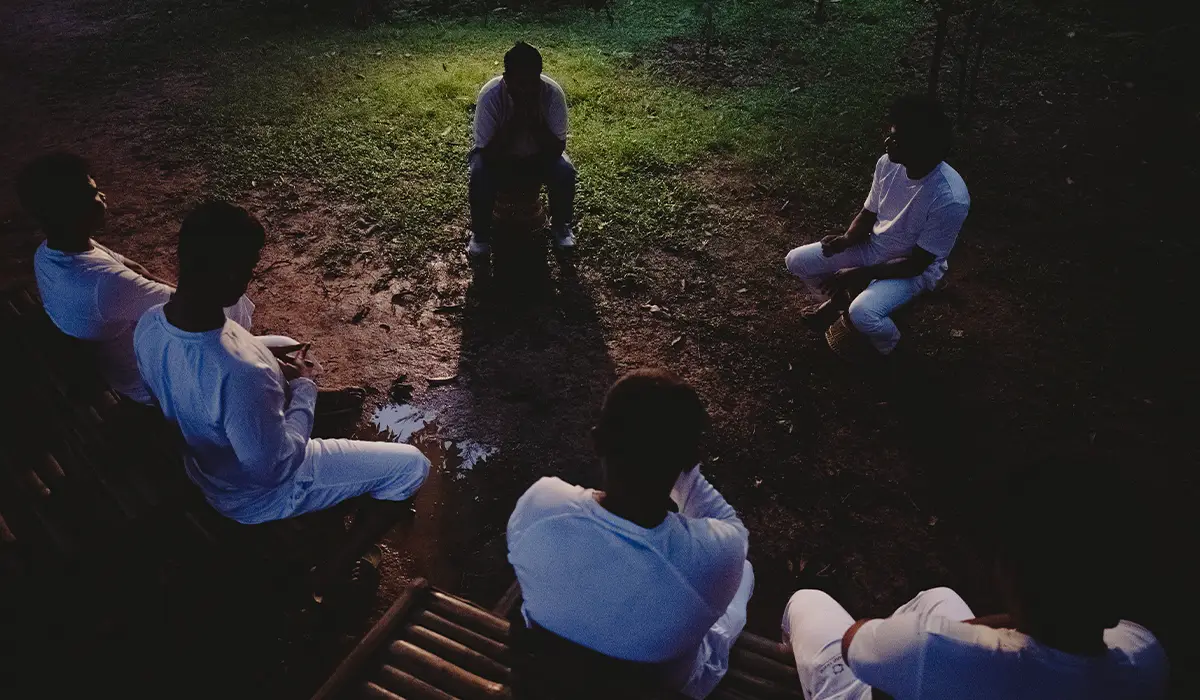
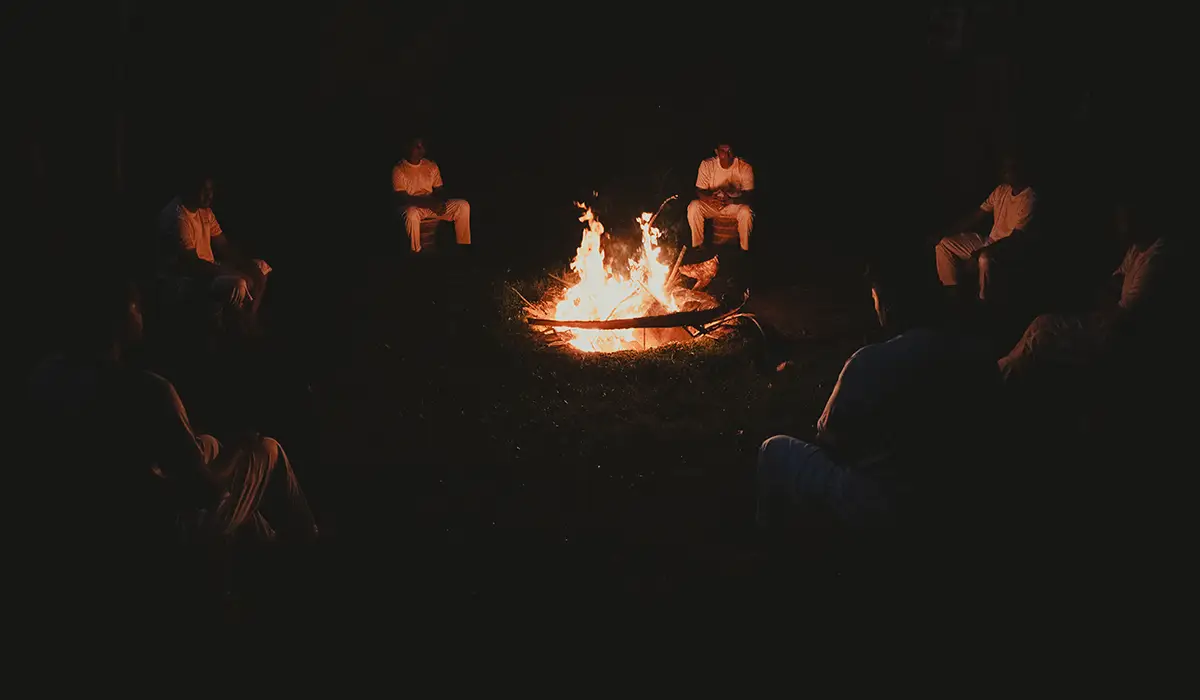
Daily individual counseling, CBT and DBT-based group sessions, and Therapeutic Community activities. Family meetings happen monthly. For the first 45 days, patients have no phone contact. This protects the therapeutic environment and is explained fully to families before admission. It is a clinical boundary, not a punishment.
RECOVERY STORIES THAT DHANMONDI FAMILIES RECOGNIZE
When parents in Dhanmondi contact AMAR Home, they usually describe watching a son or daughter change over six to twelve months. The grades. The friends. The money. The conversations that go in circles.
What they rarely describe accurately is how far along the dependency already is by the time they call. That gap between what the family sees and what is clinically happening is one of the hardest parts of this situation.
Rafiq (name changed) was a university student when his family reached out. He was educated, articulate, and in his early twenties. His family had spent two years trying to address the situation with conversations, restrictions, and private doctors before admitting him to AMAR Home. He completed the long-term program and is studying again.
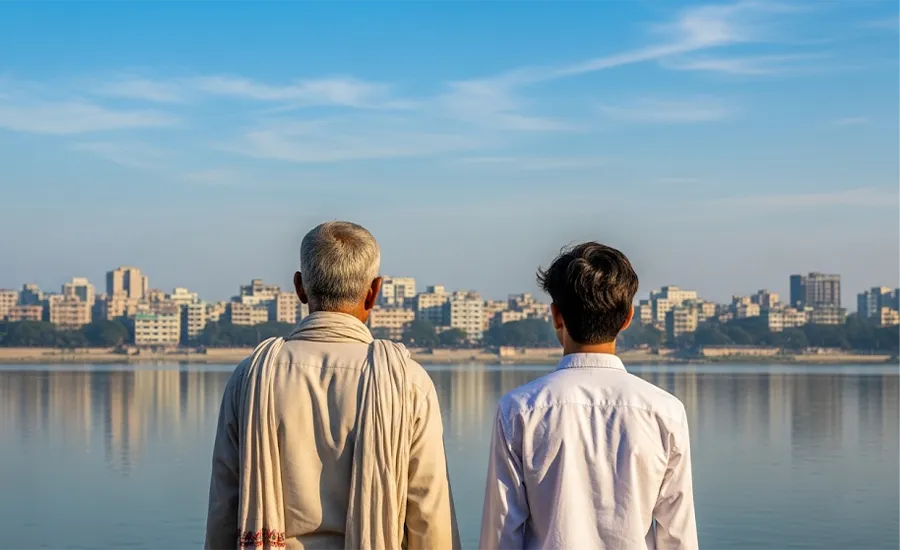
Taif (name changed) was in his early twenties, from a family that values education highly. His story at AMAR Home reflects what many Dhanmondi families experience: a young person who understood the problem intellectually but could not stop without structured clinical support.


HOW TO REACH AMAR HOME FROM DHANMONDI
AMAR Home is at House 46, Road 02, Sector 09, Uttara, Dhaka 1230.
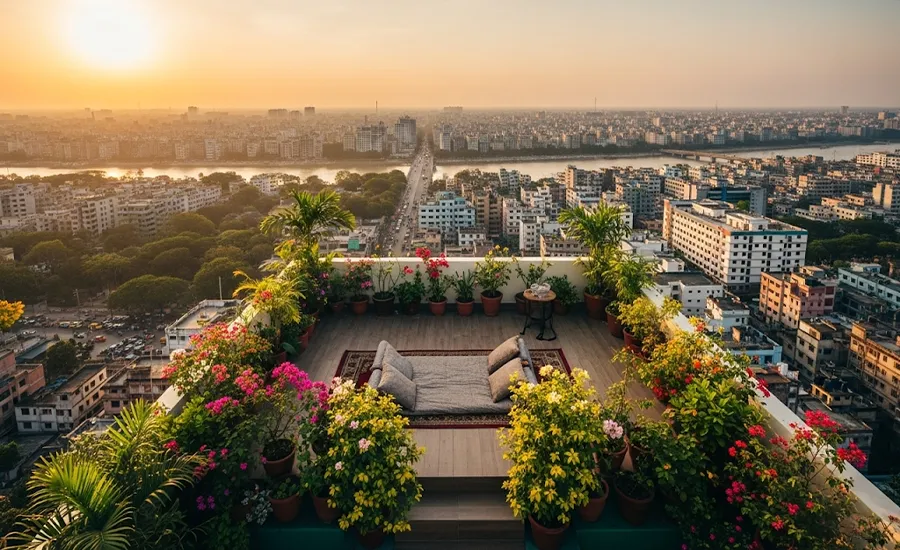
Dhanmondi to Uttara is a straightforward route once you are on Airport Road. Most families make the journey in 35 to 50 minutes, depending on the time of day.
From Dhanmondi 27, Satmasjid Road, and Dhanmondi Lake area
Head north along Mirpur Road or Panthapath toward Farmgate. At Farmgate, take the road toward Tejgaon and connect to Airport Road heading north. Follow Airport Road past Kurmitola to Uttara Sector 6 or Sector 7, then proceed to Sector 9. Travel time: 35 to 48 minutes in normal traffic. Avoid the Farmgate to Airport Road stretch between 8am and 10am, when this route can add 20 minutes.
From Kalabagan and Hatirpul area
Head toward Panthapath or Green Road, connect to the Farmgate underpass, then take Airport Road north. This is one of the more direct routes to Uttara from the eastern side of Dhanmondi. Travel time: 32 to 45 minutes.
From Dhanmondi 2, 15, and the Rayer Bazar area
Head toward Asad Gate and then connect to Mirpur Road heading north toward Farmgate. From Farmgate, follow the same Airport Road route to Uttara Sector 9. Travel time from these blocks: 38 to 52 minutes depending on traffic.
Using navigation
Search 'AMAR Home Uttara Sector 9 Dhaka' in Google Maps or any navigation app. If it is your first visit, call our team at +880 1976-131313 and we will guide you on the final stretch from Sector 7 to Sector 9.
WHAT TO ASK WHEN CHOOSING A REHAB CENTER FOR A YOUNG PERSON
Choosing a center for a young person involves different considerations than choosing one for an older adult. The treatment model, the environment, and the aftercare structure all matter in different ways.
These are the questions worth asking when evaluating any center in Dhaka, including AMAR Home.
Does the center have experience treating patients in their teens and early twenties?
Young patients require a different therapeutic approach from older adults. The psychology of denial, the role of peer identity in addiction, and the specific neurological effects of substances like yaba on a developing brain all require clinical experience that not every center has. Ask specifically about the age profile of the patients they treat.
Is the center licensed and are the doctors verifiable?
Ask for the DNC license number and the BMDC registration numbers of the psychiatrists involved in treatment. Both are publicly verifiable. A center that cannot provide this information is not giving you the basic transparency you need to make a safe decision for your family member.
Is there psychiatric support for co-occurring mental health conditions?
A significant number of young people who develop substance dependency are also dealing with untreated anxiety, depression, or ADHD. Research consistently shows that treating the addiction without identifying and addressing the underlying condition leads to higher relapse rates. Ask whether the center has psychiatrists who can diagnose and manage co-occurring conditions during treatment.
What does the family involvement structure look like?
For young patients, family involvement in treatment tends to produce significantly better long-term outcomes. Ask how families are included in the process, what education is provided to parents and siblings, and how the center handles the relationship between the patient and their family during and after treatment.
What does the aftercare program look like for someone returning to a student environment?
The highest-risk period for relapse is the first three to six months after discharge, specifically when the person re-enters the environment where the addiction developed. For a student returning to Dhanmondi or to university, that means returning to the same peer networks, the same social spaces, and the same pressures. Ask what specific aftercare support exists for this transition.
FREQUENTLY ASKED QUESTIONS
Is AMAR Home in Dhanmondi?
AMAR Home is not located in Dhanmondi. The center is in Uttara, Sector 9, Dhaka, approximately 35 to 50 minutes from Dhanmondi via Airport Road. Families from Dhanmondi, Kalabagan, and Hatirpul regularly admit patients to AMAR Home. The distance is practical, and our team can guide first-time visitors by phone on the exact route.
Can AMAR Home treat a university student addicted to yaba?
Yes. AMAR Home has treated many young patients in their late teens and twenties, including university students. The clinical team includes psychiatrists trained to address both the addiction and any co-occurring mental health conditions such as anxiety or depression that often accompany substance dependency in this age group.
How do I get my son or daughter to agree to treatment?
This is one of the most common questions AMAR Home receives from Dhanmondi families. The short answer is that forced admission without any voluntary engagement significantly reduces treatment outcomes. Our admissions team can guide families on how to have a productive conversation with their loved one before admission. Call +880 1976-131313 for a confidential discussion on next steps.
Will treatment disrupt my child's studies permanently?
The Long-Term Program runs approximately five months. For most students, this means taking a semester or academic year break. Many families frame this as a medical leave. The alternative — allowing dependency to continue untreated — tends to produce far greater academic disruption over a longer period. AMAR Home’s admissions team can help families think through the timing of admission relative to the academic calendar.
How long does it take to travel from Dhanmondi to AMAR Home?
From central Dhanmondi via Farmgate and Airport Road, the journey to AMAR Home in Uttara Sector 9 takes 35 to 48 minutes in normal traffic. Early morning between 8am and 10am can extend this by up to 20 minutes. The route is straightforward and navigable with Google Maps using ‘AMAR Home Uttara Sector 9’.
Does AMAR Home treat cannabis addiction in young people?
Yes. Cannabis dependency among young people is significantly underreported and often dismissed as less serious than other substances. Clinically, regular cannabis use in adolescence and early adulthood carries real risks including motivation loss, anxiety escalation, and cognitive effects that affect academic performance. AMAR Home’s psychiatric team manages cannabis dependency as part of both the Intensive and Long-Term programs.
Is treatment confidential if my child is a known student in Dhanmondi?
Yes. AMAR Home’s location in Uttara provides natural separation from the Dhanmondi student and social environment. No patient information is shared with any third party without written consent. This applies to educational institutions, employers, and family members outside the immediate treatment circle. Confidentiality is maintained from the first phone call through discharge and aftercare.
What happens after my child finishes treatment and comes back to Dhanmondi?
The first three to six months back in the original environment carry the highest relapse risk. AMAR Home’s aftercare program addresses this directly. After discharge, patients join daily online support meetings and a peer alumni network for two months. Regular follow-up calls continue beyond that. Families also receive guidance on how to support recovery in the home environment without creating new pressures.
THE FIRST STEP IS A CONVERSATION. NOT A COMMITMENT.
If your family in Dhanmondi is dealing with a young person’s addiction right now, the situation is almost certainly more serious than it looks from the outside, and less hopeless than it feels from the inside.
Call AMAR Home at +880 1976-131313, any time of day or night. Our admissions coordinator will listen, answer your questions honestly, and help you understand what the right next step actually is. You can also visit the center in Uttara before making any decision.
Families who reach out early always have more options. The ones who wait the longest wish they had called sooner.