
CONFIDENTIAL DRUG ADDICTION TREATMENT FOR FAMILIES IN GULSHAN, DHAKA
AMAR Home has provided psychiatrist-led, fully residential addiction treatment since 2012. Families from Gulshan, Banani, and Baridhara trust us because we are DNC-licensed, ISO 9001:2015 certified, and completely discreet from the first call to discharge.
WHY FAMILIES IN GULSHAN CHOOSE AMAR HOME
Gulshan is home to business executives, corporate professionals, diplomats, and their families. When addiction enters this world, the concerns look very different from other parts of Dhaka.
Privacy comes first. Then quality. Then whether the treatment actually works.
AMAR Home has worked with families from Gulshan, Banani, Niketan, and Baridhara since 2012. These are the reasons they choose us.
Complete Confidentiality from the First Call
Nothing about a patient’s identity, admission, or treatment is ever shared with third parties without explicit written consent. This applies from the first phone inquiry through discharge and post-treatment follow-up.
Our center is located in Uttara, away from the Gulshan social circle. Patients do not cross paths with neighbors, colleagues, or family acquaintances during treatment. For families where reputation and privacy are genuine concerns, this separation matters.
If a family member asks whether we handle inquiries discreetly, the answer is yes, at every stage.
PSYCHIATRIST-LED CARE WITH VERIFIABLE CREDENTIALS
AMAR Home’s clinical team includes two senior psychiatrists: Dr. Chiranjeeb Biswas (MBBS, MPhil Psychiatry, BSMMU, BMDC Reg: A 49670), Associate Professor and Head of Psychiatry at Medical College for Women and Hospital, and Dr. Mohammad Shibli Sadiq (MBBS, MD Psychiatry, BSMMU, BMDC Reg: A 34144), Assistant Professor at the National Institute of Mental Health and International Member of the American Psychiatric Association.
Both are registered with the Bangladesh Medical and Dental Council. Their credentials are publicly verifiable at bmdc.org.bd. For families in Gulshan who are used to dealing with institutions that have genuine accountability, this level of transparency is not a bonus. It is a baseline expectation.
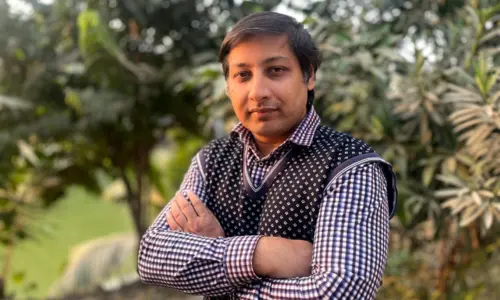
Dr. Chiranjeeb Biswas
Dr. Chiranjeeb Biswas holds an MBBS and MPhil in Psychiatry from Bangladesh Sheikh Mujib Medical University (BSMMU). He is Associate Professor and Head of the Psychiatry Department at Medical College for Women and Hospital. His BMDC registration number is A 49670.
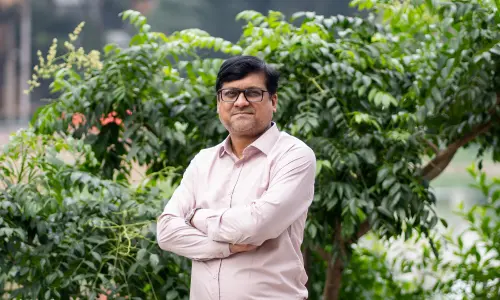
Dr. Mohammad Shibli Sadiq
Dr. Mohammad Shibli Sadiq completed his MD in Psychiatry at BSMMU and serves as Assistant Professor at the National Institute of Mental Health (NIMH). He is a Life Member of the Bangladesh Association of Psychiatrists and an International Member of the American Psychiatric Association. His BMDC registration is A 34144.
EXCELLENT Based on 172 reviews
 Posted on Google
 Nion Hasan
Trustindex verifies that the original source of the review is Google.
Amar Home provided the right guidance and environment for my friend’s recovery. Their treatment quality makes them the best rehab center in Dhaka. AMAR Home is truly dependable.Posted on Google Rabbi Al MubinHighly recommend Amar Home — the best rehab center in Dhaka. My brother got treatment there, and now he’s doing great. If you’re near Uttara, it’s the right rehab center in Uttara to visit.Posted on Google
 Marjya SheikhAmar Home is the best rehab center in Dhaka. Their care, environment, and programs truly change lives. If you’re looking for a rehab center in Uttara, this is the one to trust.Posted on Google
 Marak Rumi Rumi marakI’m really thankful to Amar Home — the best rehab center in Bangladesh. Their Intensive Drug Rehab Program in Dhaka helped my cousin start a new life.Posted on Google
 Shamsuzzaman TareqI visited Amar Home recently, and I must say it’s an amazing rehab center in Dhaka. Their long term drug rehab in Dhaka plan gives real, lasting recovery.Posted on Google
 Shamsur Rahman RifatMy friend received medical treatment at Amar Home and had a very good experience. The staff were extremely helpful and provided excellent care. They were kind and professional, making sure my friend was well taken care of. I was very impressed by their service.Posted on Google
 Nosto Caleআমি এবং আমার পরিবার AMAR Home এর কাছে চির কৃতজ্ঞ। আমার বড় ভাই নেশাগ্রস্ত ছিল অনেক জায়গায় চিকিৎসা করার পরেও ভালো কোন ফল পাইনি। পরে অনলাইনে আমার হোম ড্রাগ এডিকশন ট্রিটমেন্ট সেন্টার খুঁজে পেলাম এবং তাদের সাথে যোগাযোগ করলাম। তারপর আমার বড় ভাইকে আমার হোম ট্রিটমেন্ট সেন্টারে ভর্তি করলাম। একনাগারে চার মাস চিকিৎসা করার পরে আলহামদুলিল্লাহ বড় ভাই এখন দুই বছর ধরে ভালো আছে।Posted on Google
 M S
M STrustindex verifies that the original source of the review is Google.
Assalamu Alaikum. I would like to know about your organization. Could you please let me know how can I contact with you? ThanksPosted on Google Mushfiqur RahmanI am so grateful for the assistance and attention I got at AMAR Home. The personnel at this place has a genuine understanding of the challenges associated with addiction, and they have always treated me with respect and compassion. Everyone, including the medical staff and counselors, is committed to assisting you in making a full recovery. I felt really understood and supported by the programs because they are thorough and customized to meet each person's needs. This is the right location to begin your journey if you or a loved one needs support. I will always be grateful for the encounter that transformed my life.
GOVERNMENT LICENSE AND INDEPENDENT CERTIFICATION
AMAR Home operates under a license from the Department of Narcotics Control (DNC), Government of Bangladesh. It is also certified to ISO 9001:2015 by ASSIST Certification Services (ACS), accredited by Accred Services International Board (ASIB) in Europe.
Both credentials are independently verified, not self-declared. Families in Gulshan who ask for documented proof of licensing receive it. Families who want to verify the ISO certification independently can do so through the issuing body.
A Proven Track Record, Not A Marketing Claim
Since 2012, AMAR Home has treated 1,154 patients. Our success rate is 55%, measured through follow-up calls every two years after discharge. That methodology matters. It means we contact former patients directly and track their sobriety status, not estimate it.
For families used to evaluating claims with evidence, this is the number that counts.
DRUG ADDICTION IN GULSHAN: WHAT FAMILIES HERE ACTUALLY FACE
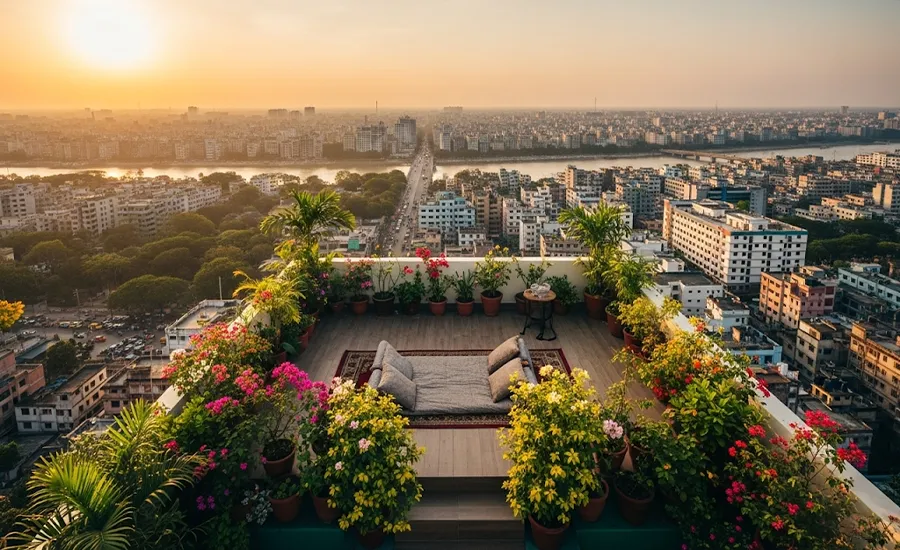
Addiction in Gulshan looks different from addiction in other parts of Dhaka. The substances differ. The way it presents differs. And the way families respond to it differs.
Gulshan is home to corporate executives, entrepreneurs, returning expatriates, and families with significant professional and social standing. Substance use in this environment tends to follow a different pattern from what clinicians see in lower-income areas.
High-Functioning Addiction Is the Most Common Pattern
High-functioning addiction is when a person maintains their professional life, social appearances, and family role while using substances regularly and secretly. The signs are less visible. The denial runs deeper. And the intervention usually comes much later, often after years of private use. Alcohol use disorder is particularly common in this demographic. So is prescription drug dependency, often starting with sleeping pills or anxiety medication prescribed by a doctor, then escalating without medical oversight. Some Gulshan families deal with stimulant use tied to work pressure and long working hours. By the time a Gulshan family reaches out to AMAR Home, the person is often functioning at a surface level while the addiction has already affected health, decision-making, and personal relationships significantly.
Why Gulshan Families Wait Longer to Seek Help
Social standing creates a specific barrier. Families in Gulshan worry that seeking treatment will become known in their professional or social circle. Some have tried managing the situation privately for years, sometimes with private doctors who are not addiction specialists, before the situation becomes unmanageable. This delay is understandable. It is also the main reason outcomes are harder when treatment eventually begins. The longer high-functioning addiction goes unaddressed, the deeper the behavioral and psychological patterns become. AMAR Home has worked with several families from Gulshan in exactly this situation. The admission process is handled with complete discretion, and the center's location in Uttara provides natural separation from the Gulshan social environment.
SIGNS A FAMILY MEMBER IN GULSHAN MAY NEED PROFESSIONAL TREATMENT
High-functioning addiction hides well. These signs are worth taking seriously even when the person appears to be managing their life:
Alcohol consumption that has gradually increased over months or years, now requiring more to achieve the same effect
Sleeping pill or anxiety medication use that has exceeded prescribed doses consistently
Work performance declining in ways the family notices even if colleagues do not
Mood changes that the family has begun to walk around carefully
Physical signs: frequent headaches, digestive problems, disrupted sleep, weight change without explanation
Private or secretive behavior around alcohol or medications that did not exist before
Previous attempts to cut down that lasted a short time before reverting
A private doctor has already raised concerns but no clinical addiction treatment has followed
Three or more of these warrant a clinical conversation. Call AMAR Home at +880 1976-131313 for a confidential assessment before making any admission decision.
TREATMENT PROGRAMS FOR GULSHAN PATIENTS AT AMAR HOME
Both programs at AMAR Home are fully residential in our Uttara facility. Patients from Gulshan are assessed individually before a program recommendation is made.
Intensive Program
17 days
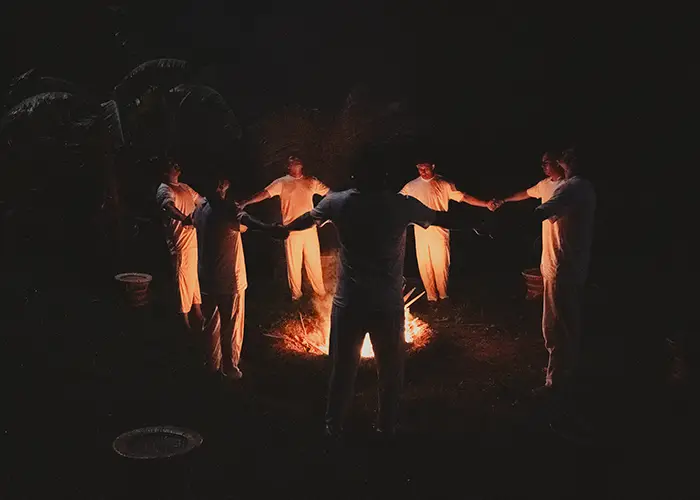
For patients who are ready to engage with treatment voluntarily. Uses a 12-Step Facilitation framework with daily medical supervision and group therapy. For working professionals from Gulshan, this is sometimes the first structured step before longer-term care.
Long-term Program
Approx. 5 months
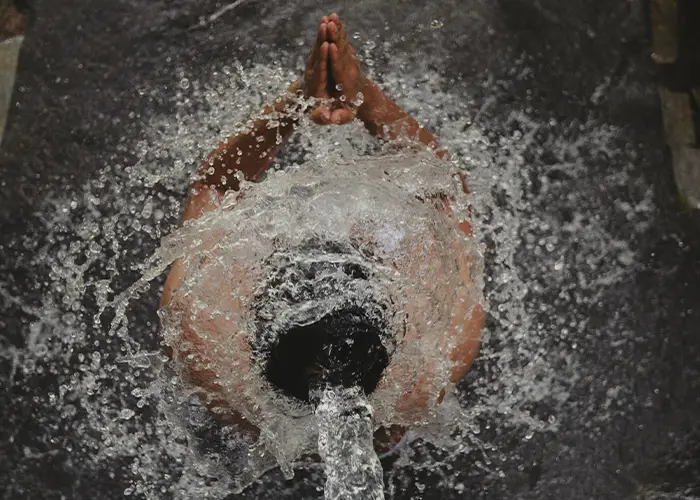
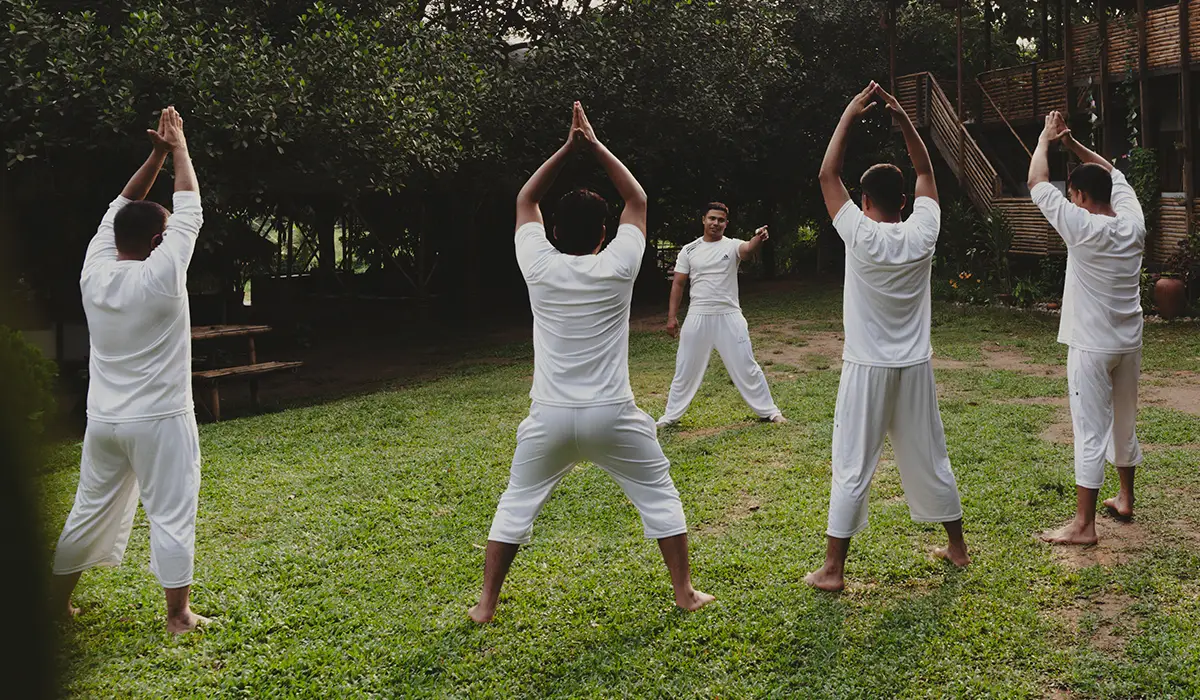
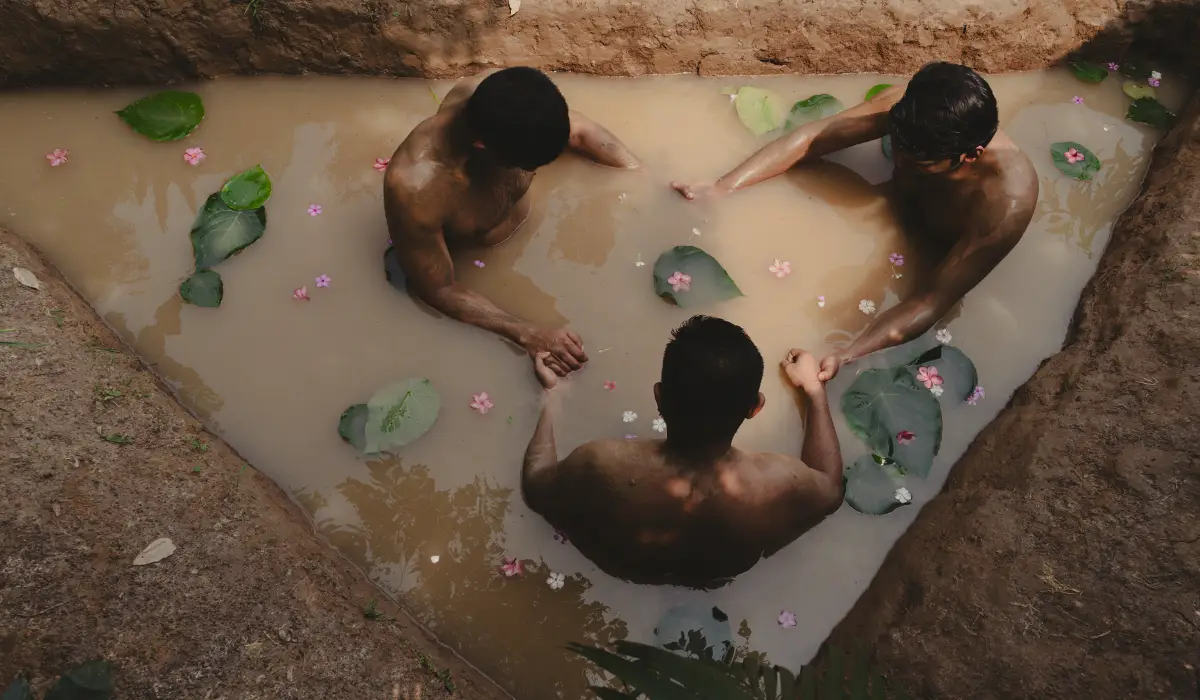
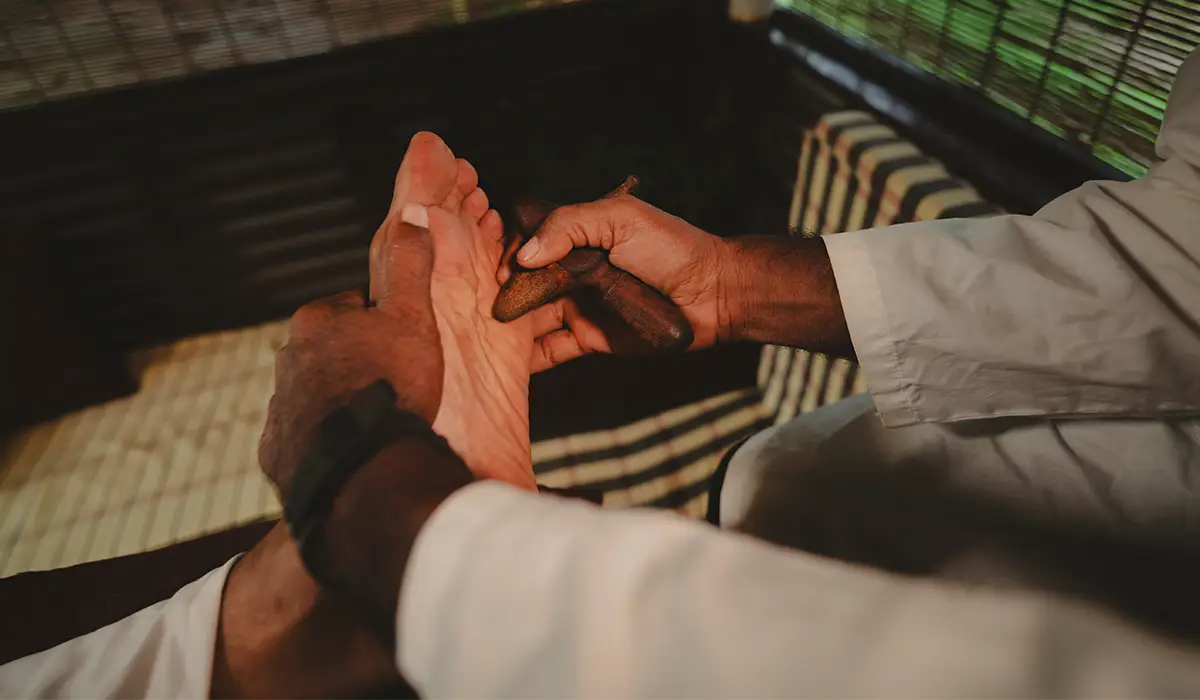
The complete recovery pathway. Covers medically supervised detox (15 days), residential therapy (2 months 15 days), intensive meditation (10 days), and structured aftercare (2 months). Recommended for high-functioning addiction cases where behavioral patterns are deeply established.
WHAT TREATMENT LOOKS LIKE FOR A GULSHAN PATIENT
For families in Gulshan where the person has been managing their addiction privately, the admission process at AMAR Home often comes with a mix of relief and anxiety. Knowing what happens at each stage removes much of that anxiety.
Admission and clinical assessment
A resident Medical Officer conducts a full physical health review, addiction history, and initial psychiatric screening on the day of admission. The assessment is clinical and structured. It is not a judgment. Families meet the admissions coordinator before leaving.
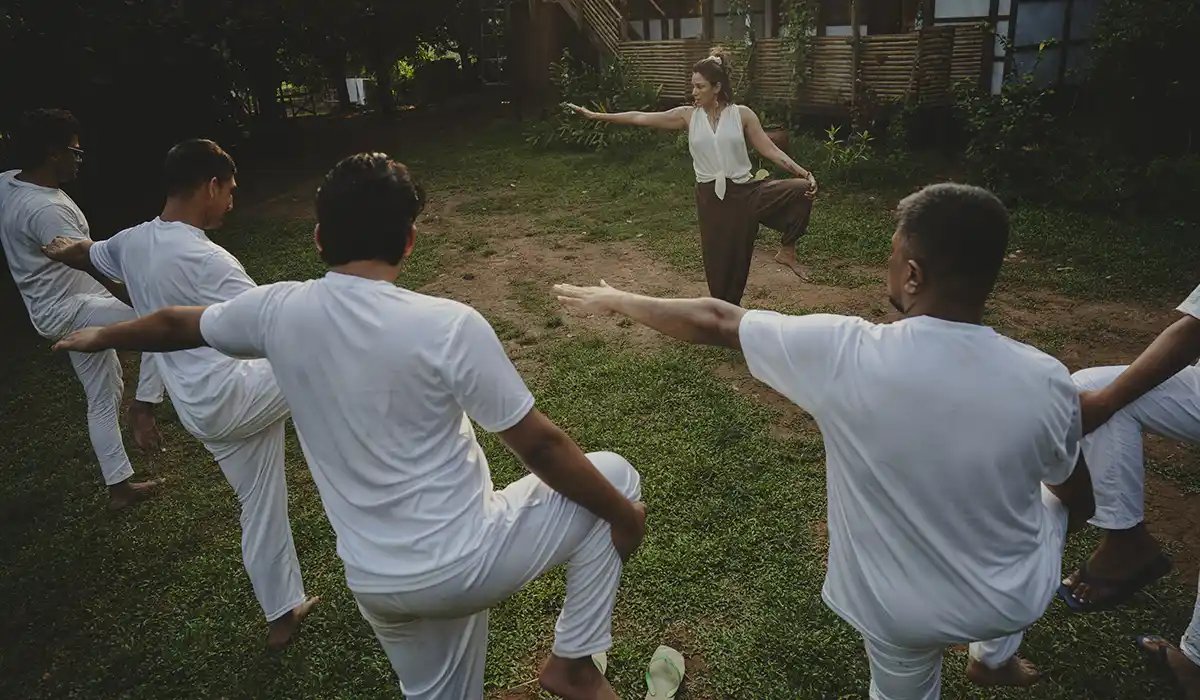
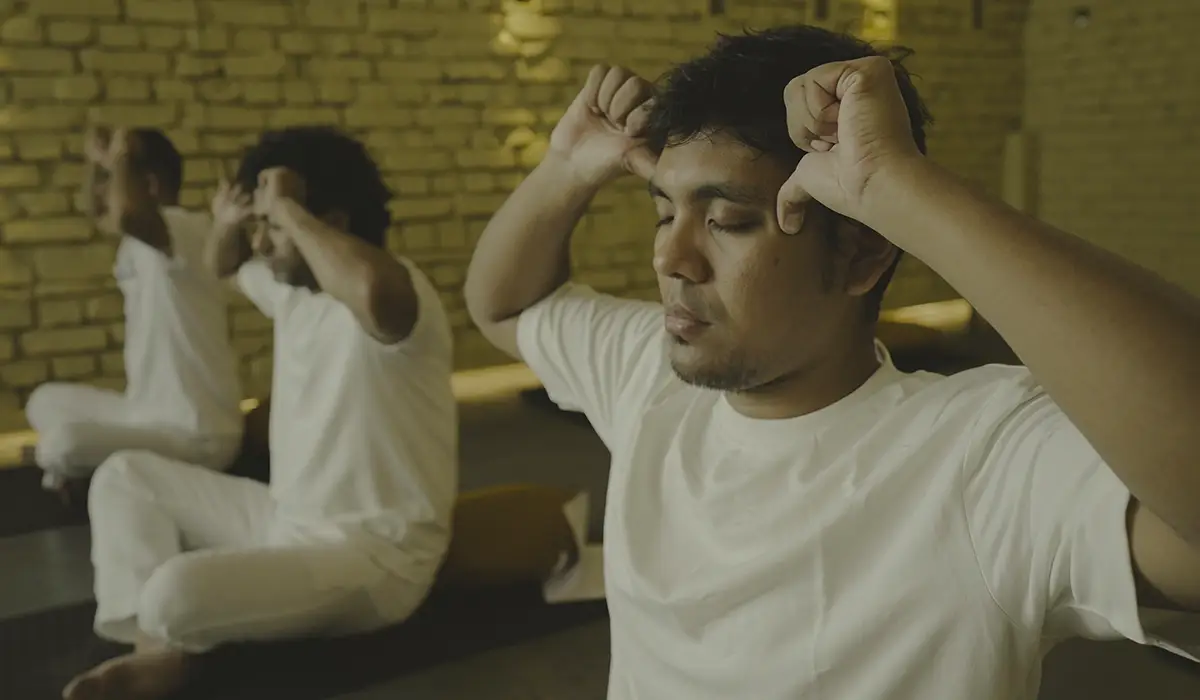
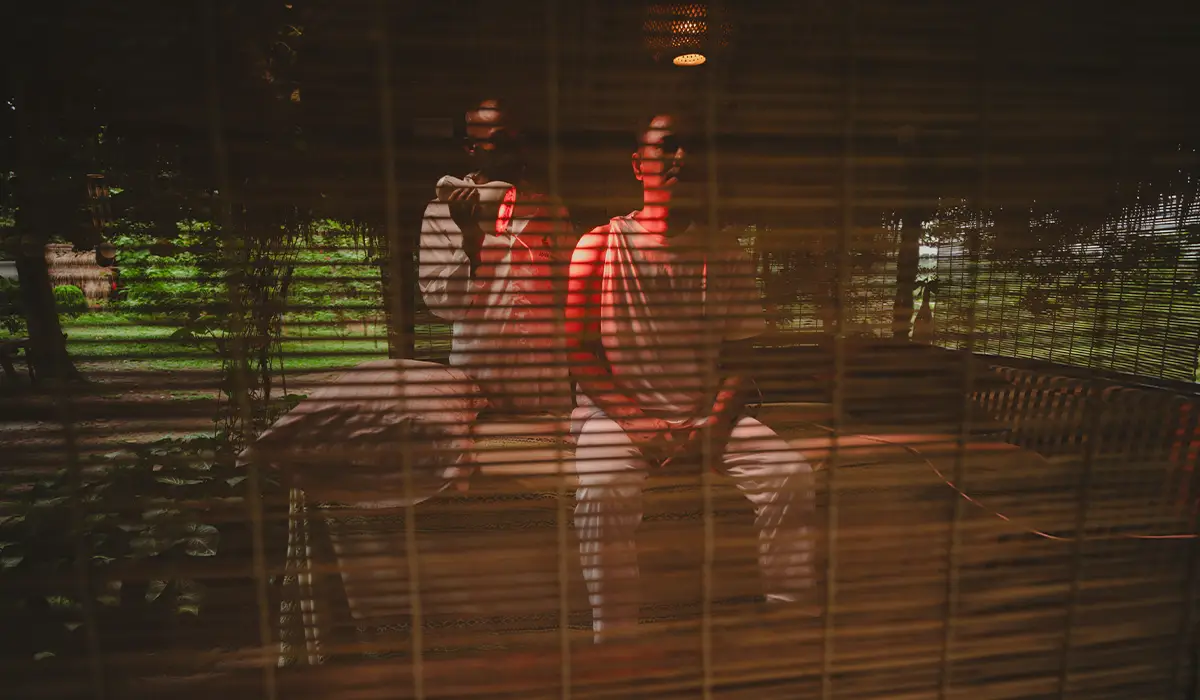
Intensive meditation (10 days)
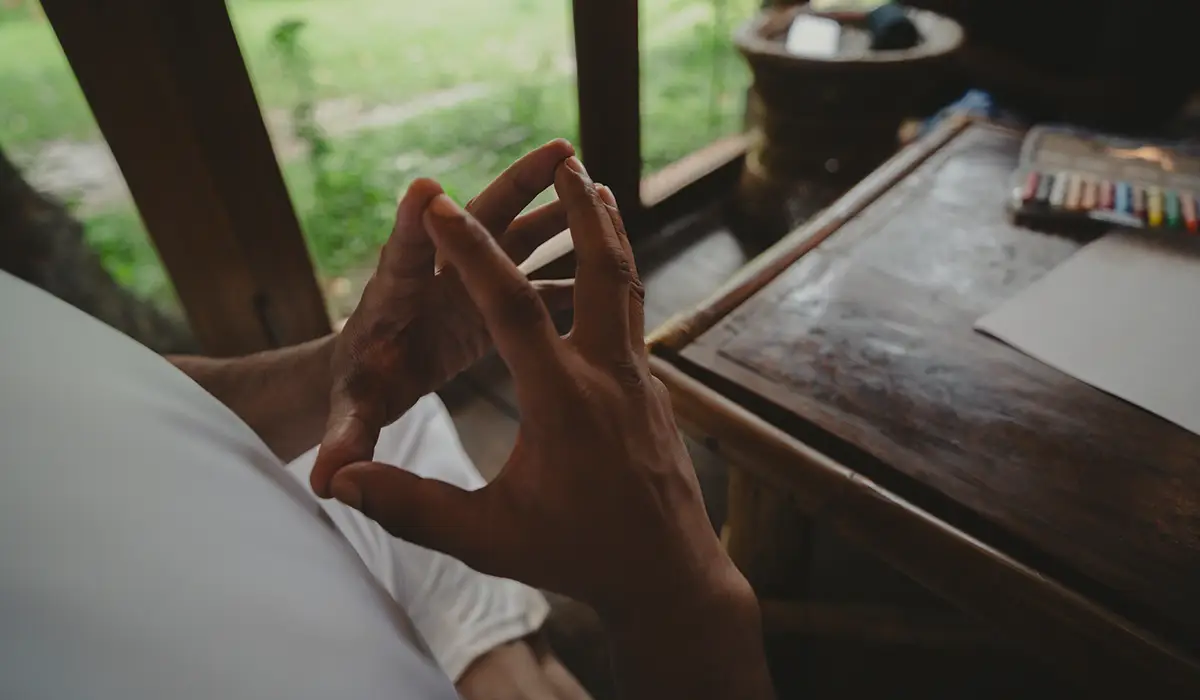
A structured period of meditation and internal reflection before discharge. This phase helps patients build the psychological stability needed before returning to a high-pressure environment like Gulshan.
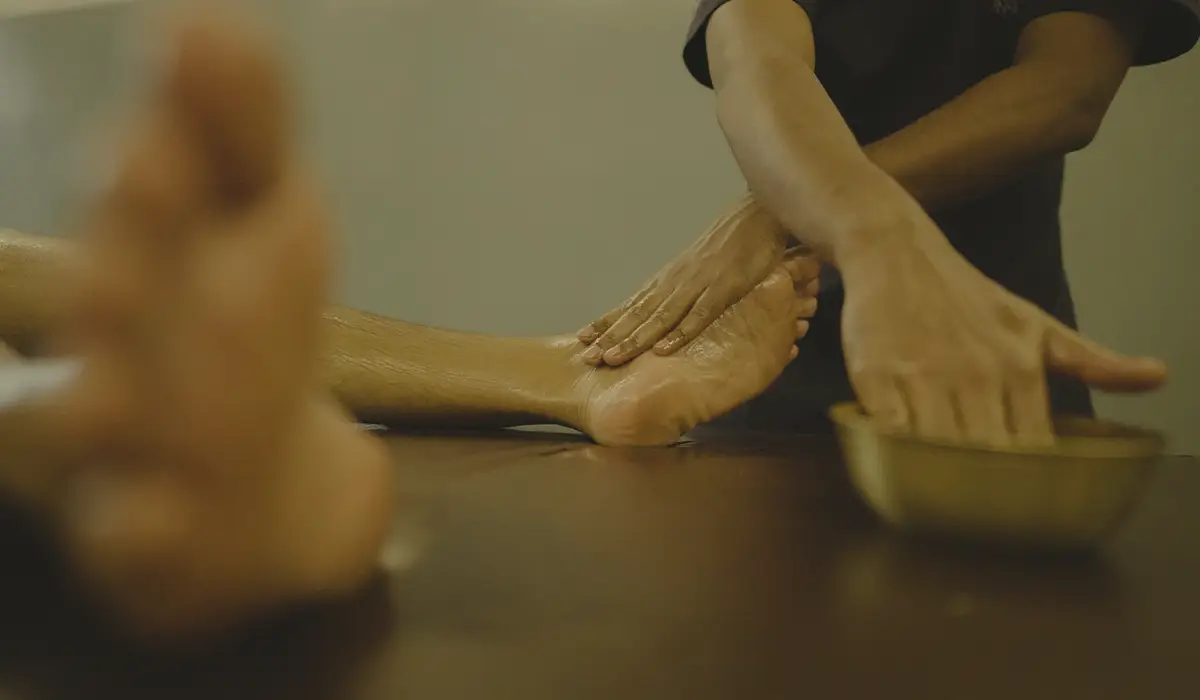
Medically supervised detox (15 days)
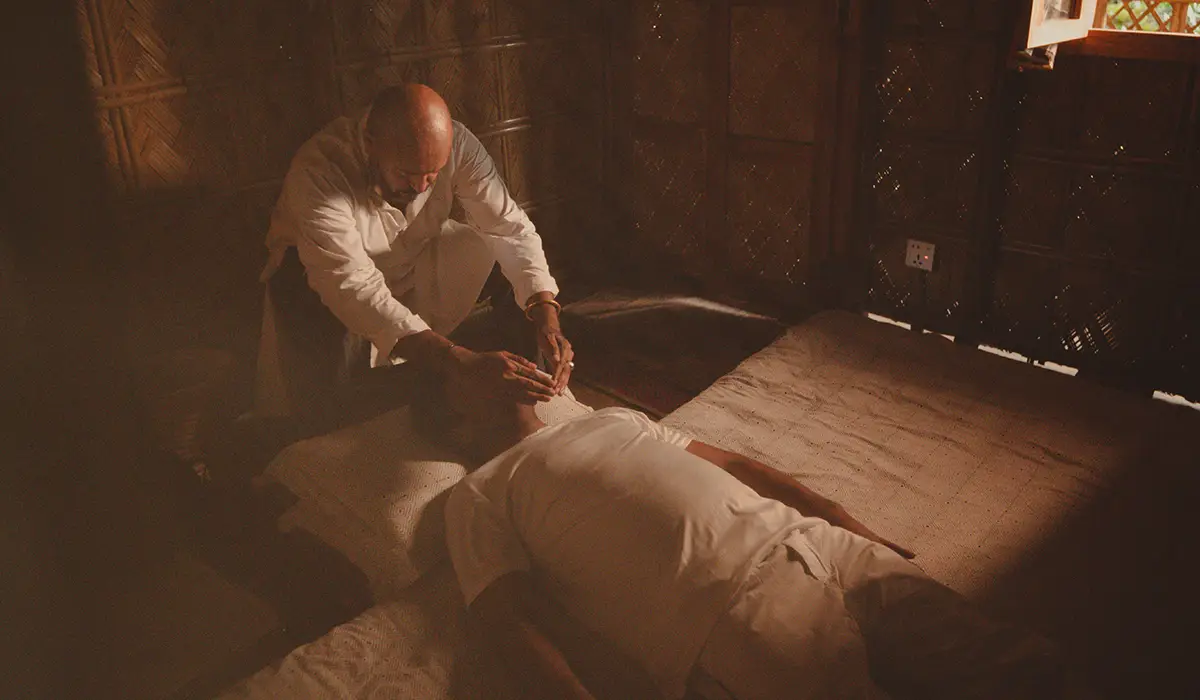
Physical stabilization under daily medical monitoring. For alcohol dependency and prescription drug cases, which are common among Gulshan patients, withdrawal requires careful clinical management. Dr. A.F.M. Masudur Rahman oversees this process daily.
Aftercare and Brotherhood Program (2 months)
Daily online support meetings, alumni peer network, and regular follow-up calls from the AMAR Home team. Aftercare is where long-term sobriety is either built or lost. AMAR Home's 55% sobriety rate reflects patients who completed this full pathway.
Residential therapy (2 months 15 days)
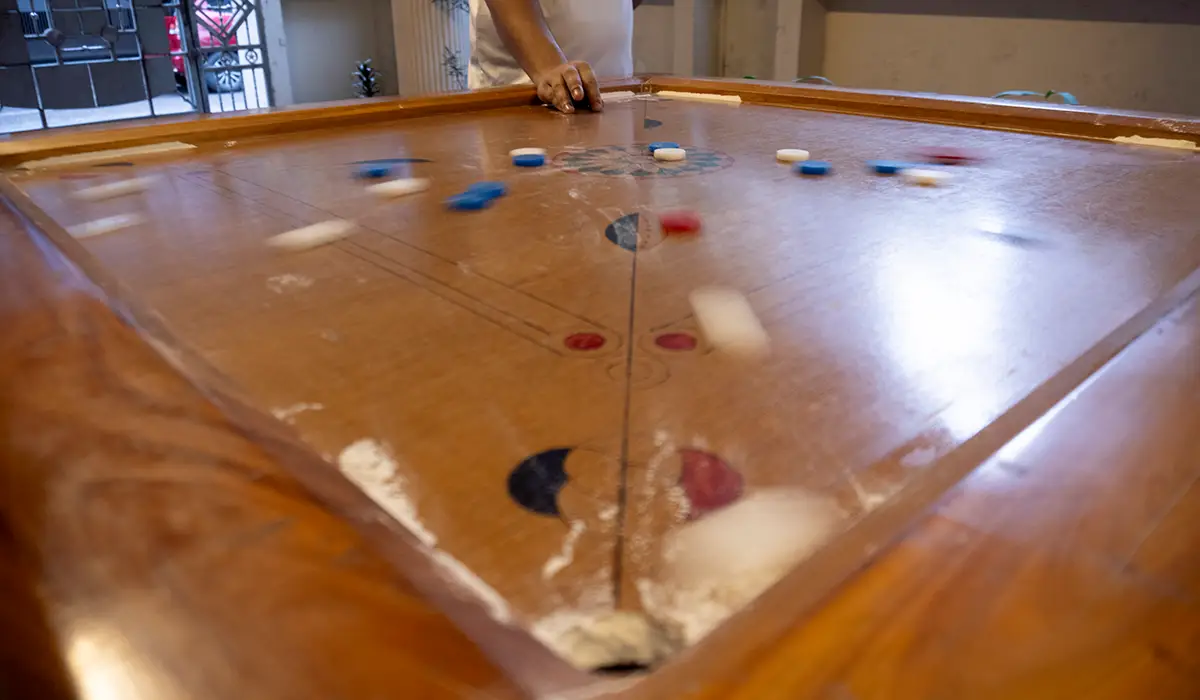
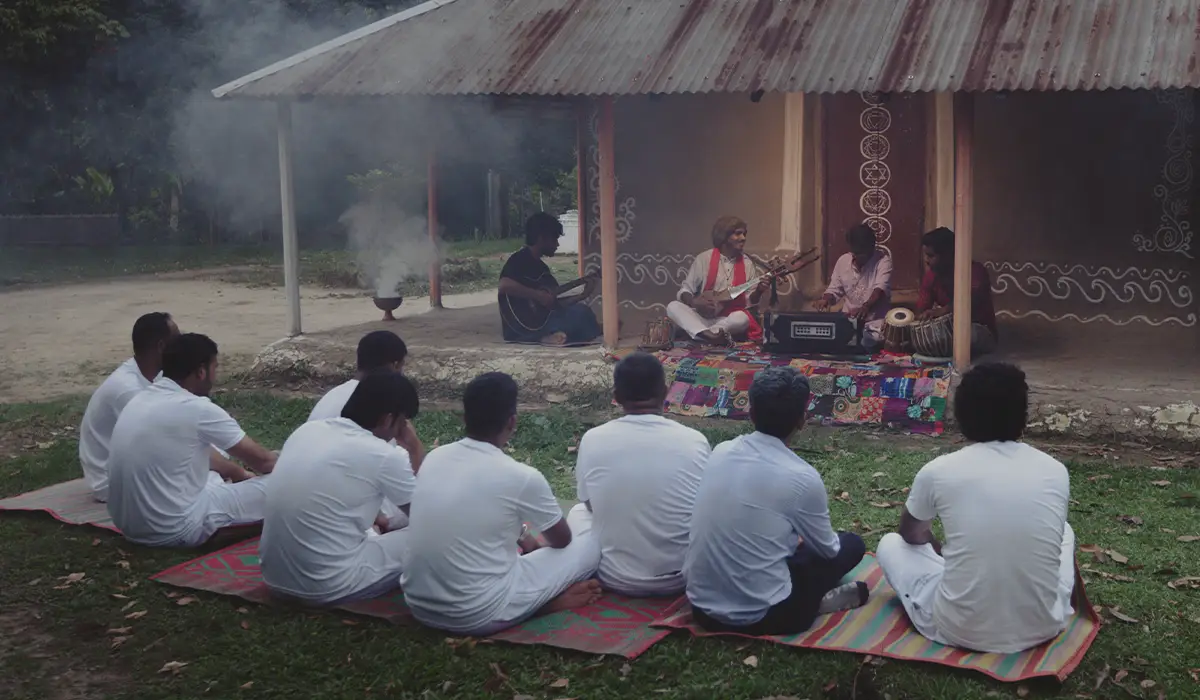
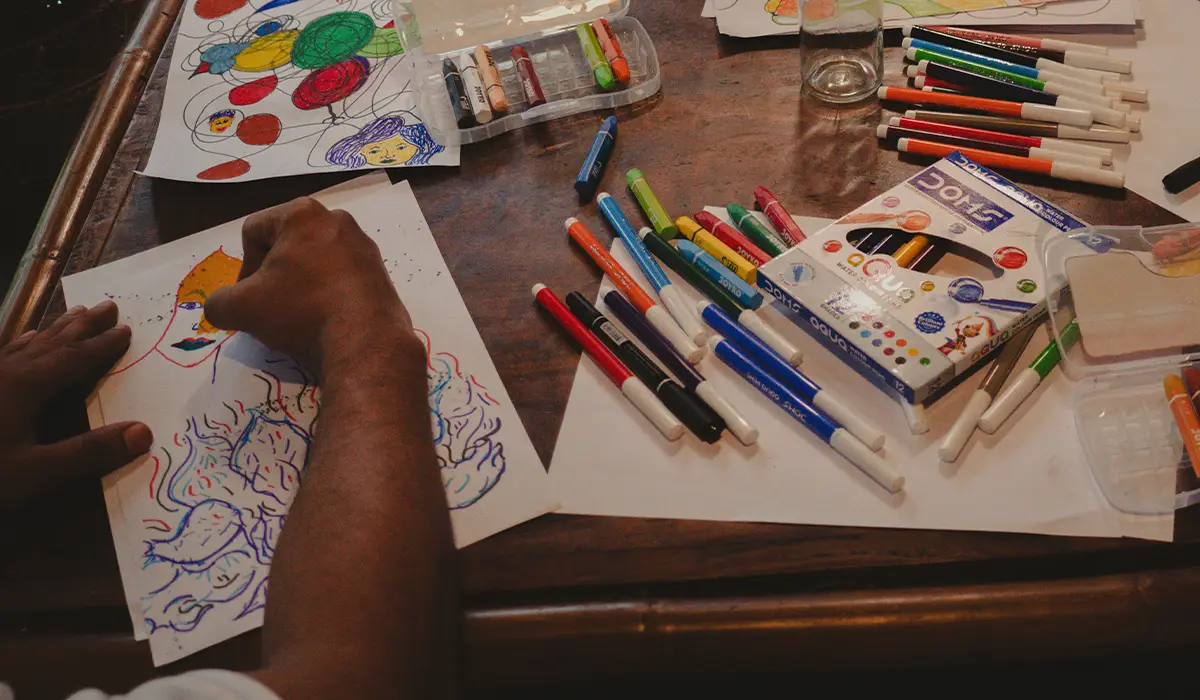
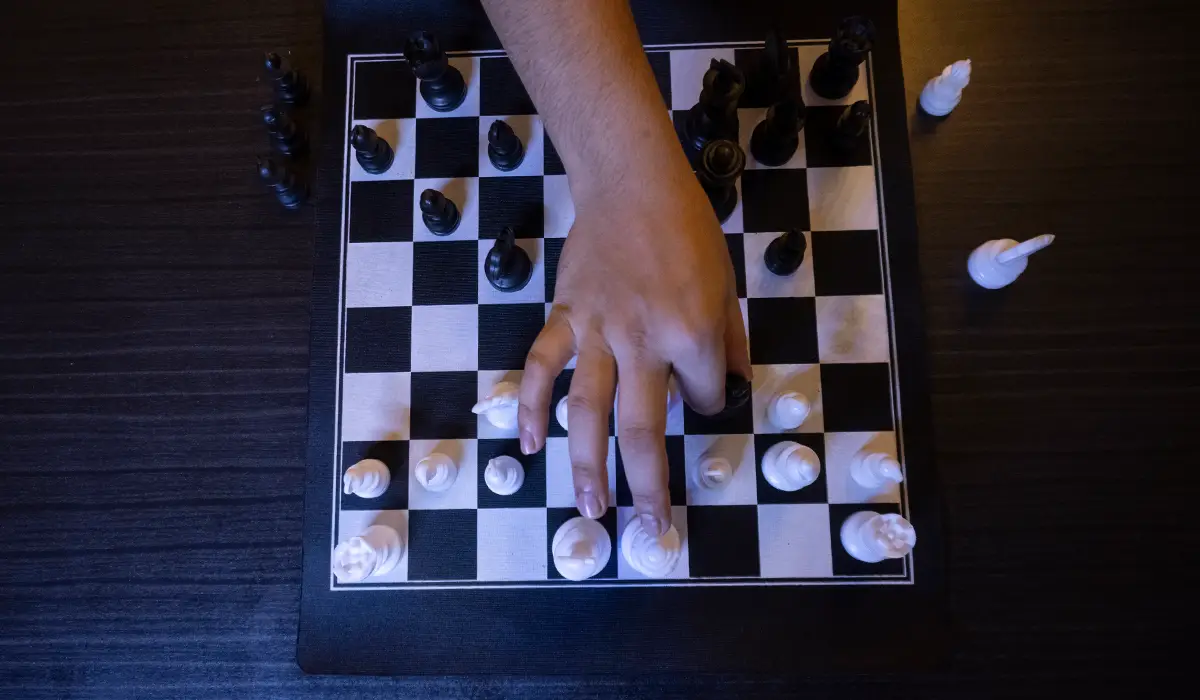
Daily individual counseling, CBT and DBT-based group sessions, and structured therapeutic community activities. For the first 45 days, patients do not have phone contact. This boundary protects the therapeutic environment at its most critical point and is explained fully before admission.
RECOVERY STORIES THAT REFLECT THE GULSHAN EXPERIENCE
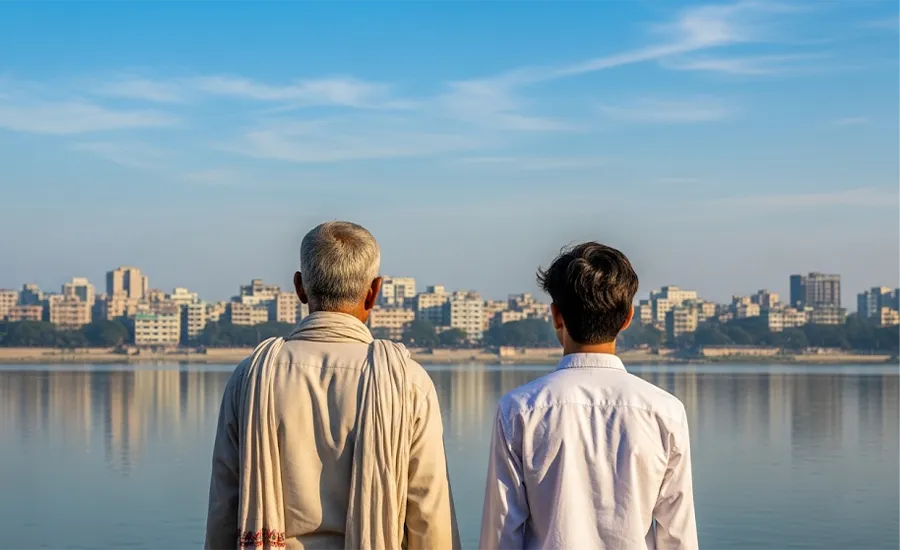
Most families who contact AMAR Home from Gulshan have spent a long time telling themselves the situation is manageable. The person is still going to work. They are still showing up to family events. The problem has not become visible yet.
That is exactly how high-functioning addiction is designed to work. It delays the moment of intervention until the pattern is far more deeply embedded.
Salman was a young professional from a well-established family. His addiction began with prescription sedatives after a significant loss and progressed quietly for nearly two years before his family reached out to AMAR Home. He completed the long-term program and has since returned to his professional life and family responsibilities.
Imtiaz was managing a business while his substance use was escalating in the background. By the time his family made the call, the financial and personal damage was already significant. Treatment gave him the structure to rebuild both.
These are not dramatic stories. They are ordinary ones, and that is the point.

HOW TO REACH AMAR HOME FROM GULSHAN
AMAR Home is at House 46, Road 02, Sector 09, Uttara, Dhaka 1230.
Gulshan to Uttara is one of the more straightforward routes in Dhaka. Most families from Gulshan are surprised by how close it actually is.
From Gulshan 1
Take the Gulshan Avenue toward Mohakhali, then connect to Airport Road heading north. Follow Airport Road past Kurmitola to Uttara Sector 6 or Sector 7, then proceed to Sector 9. Travel time: 20 to 30 minutes outside peak hours. During Dhaka morning rush (8am to 10am), allow 35 to 45 minutes.
From Banani
Banani connects directly to Airport Road via Kamal Ataturk Avenue. From Banani to Uttara Sector 9 via Airport Road takes 20 to 28 minutes in normal traffic, making it one of the shortest routes among all Dhaka area pages we serve.
From Gulshan 2
Take Gulshan Avenue north toward Banani and then connect to Airport Road. The route from Gulshan 2 to Uttara Sector 9 via Airport Road takes 22 to 32 minutes in normal traffic. This is one of the more direct routes in Dhaka.
Using Google Maps
Search 'AMAR Home Uttara Sector 9 Dhaka' in Google Maps. The pin is accurate. If you are visiting the center before admission, call our team at +880 1976-131313 and we will guide you on the final approach.
From Niketan and Baridhara
From Niketan, head toward Gulshan 2 and then follow Airport Road north to Uttara. From Baridhara, the route is similar via the Diplomatic Zone connector roads to Airport Road. Travel time from both: 25 to 35 minutes.
HOW TO EVALUATE A REHAB CENTER WHEN QUALITY AND PRIVACY MATTER
Families in Gulshan who research addiction treatment apply the same standards of scrutiny they would to any significant professional or medical decision. These are the five questions worth asking.
What is their confidentiality protocol, specifically?
Ask how patient information is stored, who has access to it, and what the center's policy is on external inquiries. A credible center has a written confidentiality policy and can explain it clearly. Vague reassurances are not enough.
How do they measure success and over what time period?
Short-term sobriety rates measured at discharge are nearly meaningless. Ask what the center's sobriety rate is at 12 months, 24 months, or beyond, and how they collect that data. AMAR Home follows up every two years by phone. Our rate from 1,154 patients treated is 55%. That is not a guarantee. It is a documented outcome.
Who are the psychiatrists and what are their credentials?
Ask for the name, qualification, BMDC registration number, and institutional affiliation of every psychiatrist involved in patient care. Then verify the BMDC number at bmdc.org.bd. This check takes five minutes. The answer will tell you more about the center's clinical quality than any website claim.
What does aftercare look like and how long does it last?
The highest-risk period for relapse is the first six months after discharge. A center that ends its involvement at discharge is missing the most critical phase of recovery. Ask for specifics on the aftercare program: frequency of contact, format, and duration.
What therapy models does the program use and why?
CBT, DBT, Motivational Interviewing, and 12-Step Facilitation are evidence-based models with substantial clinical research behind them. If a center cannot name the specific therapy models they use and explain why those models are appropriate for a given patient type, that is a meaningful gap.
FREQUENTLY ASKED QUESTIONS
Is AMAR Home located in Gulshan?
AMAR Home is not in Gulshan. The center is based in Uttara, Sector 9, Dhaka, approximately 20 to 32 minutes from Gulshan 1 and Gulshan 2 via Airport Road. This separation from the Gulshan social and professional environment is one reason families from this area specifically choose AMAR Home. It provides natural privacy without requiring travel outside Dhaka.
How does AMAR Home protect the privacy of Gulshan patients?
Patient confidentiality is maintained from the first phone inquiry through post-treatment follow-up. No information about a patient’s identity, admission, or treatment is shared with any third party without explicit written consent. The center’s location in Uttara, away from the Gulshan social circle, provides additional separation. AMAR Home has worked with families from Gulshan for whom discretion was a primary requirement.
Does AMAR Home treat alcohol addiction and prescription drug dependency?
Yes. AMAR Home treats alcohol use disorder, prescription drug dependency (including sleeping pills and sedatives), yaba, heroin, cannabis, and other substance use disorders. The clinical team includes psychiatrists and a resident Medical Officer qualified to manage the withdrawal process for alcohol and benzodiazepine cases, which require careful medical supervision.
Can AMAR Home treat a high-functioning professional with addiction?
Yes. AMAR Home has experience with patients who maintained professional and family roles while managing addiction privately. The admission process is structured to assess each case individually. The Long-Term Program is generally recommended for patients with deeply established behavioral patterns, as it provides the duration and therapeutic depth that short programs cannot.
Does AMAR Home treat international patients or expatriates from Gulshan?
AMAR Home accepts patients regardless of nationality. Approximately 10% of the patients treated since 2012 have been international or expatriate patients. Communication with families is available in English and Bengali. For specific requirements around nationality, documentation, or language, contact the admissions team at +880 1976-131313 before making any decision.
How long does the treatment take and can a professional from Gulshan manage this?
The Intensive Program runs for 17 days. The Long-Term Program runs approximately 5 months. Both are fully residential. For working professionals, the Long-Term Program requires a full commitment away from work. Families who have managed this successfully typically plan the admission period carefully in advance. The admissions team can discuss timing and logistics confidentially.
What is the cost of treatment at AMAR Home for a Gulshan patient?
The Long-Term Program is priced at 40,000 to 60,000 BDT per month depending on the individual care plan. The Intensive Program is priced separately. Payment is accepted by cash, bank transfer, and bKash. For a specific quote based on your family member’s situation and chosen program, call +880 1976-131313 or book a confidential consultation.
Can a family from Gulshan visit the center before making an admission decision?
Yes. Families are welcome to visit AMAR Home in Uttara before any admission decision. Many Gulshan families visit the center to assess the facility, meet the admissions coordinator, and ask questions in person. To arrange a visit, call +880 1976-131313 or use the appointment booking page. The visit is completely confidential and carries no obligation.
READY TO TALK? YOUR FIRST CALL IS COMPLETELY CONFIDENTIAL.
If your family in Gulshan is dealing with addiction, the right first step is a private conversation with someone who understands the clinical and personal complexity of this situation.
Call AMAR Home at +880 1976-131313, any time. Our team will listen, answer your questions honestly, and help you work out whether AMAR Home is the right fit. You can also book a visit to the center in Uttara before making any commitment.
Families who have been quietly managing this for months or years tell us the same thing after the first call: they wish they had done it sooner.