
DRUG ADDICTION TREATMENT FOR FAMILIES IN SAVAR AND ASHULIA, DHAKA
AMAR Home is a DNC-licensed, psychiatrist-led rehabilitation center in Uttara, Dhaka. We have helped families from Savar, Ashulia, Hemayetpur, and Amin Bazar get proper addiction treatment since 2012. Our center is about 30 to 45 minutes from Savar town by road.
WHY FAMILIES FROM SAVAR CHOOSE AMAR HOME
Savar has no shortage of places that call themselves rehabilitation centers. Some are legitimate. Some are not. Families who have spent time trying to find proper help often tell us they were misled by at least one center before they reached AMAR Home.
These are the things that make AMAR Home different, and each one is verifiable.
A Psychiatrist Team with Verifiable Credentials

Dr. Chiranjeeb Biswas
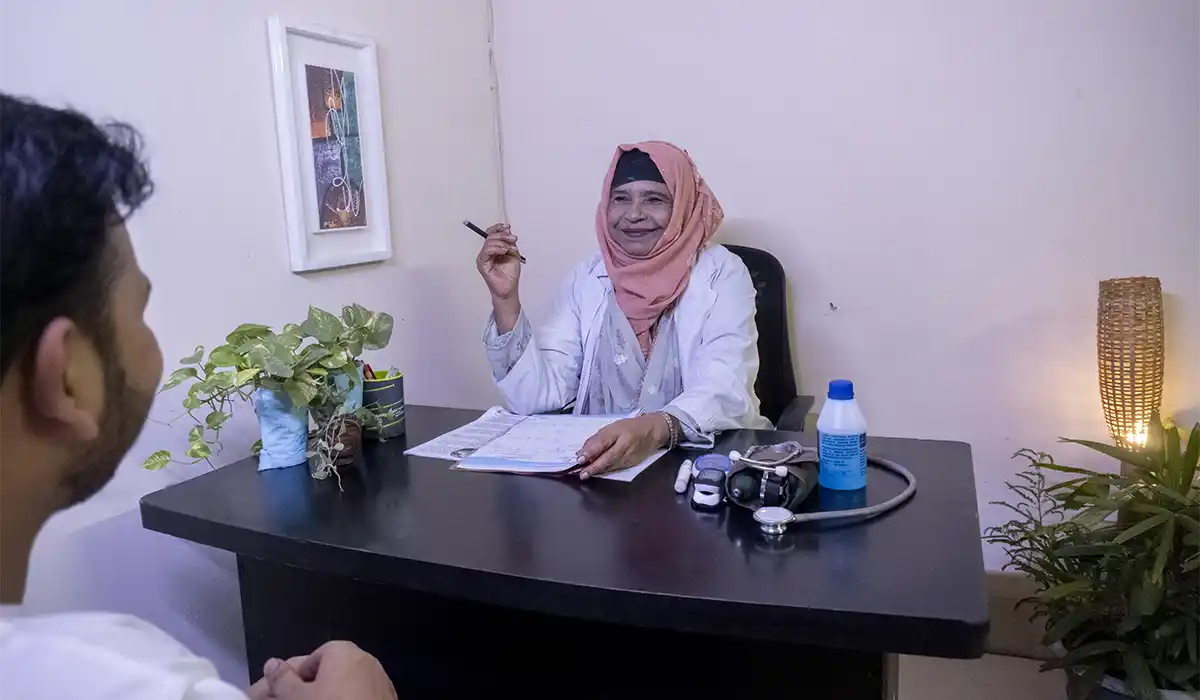
The consulting psychiatric team includes Dr. Chiranjeeb Biswas (MBBS, MPhil Psychiatry, BSMMU, BMDC Reg: A 49670) and Dr. Mohammad Shibli Sadiq (MBBS, MD Psychiatry, BSMMU, BMDC Reg: A 34144). Both are senior psychiatrists working at major Dhaka medical institutions.
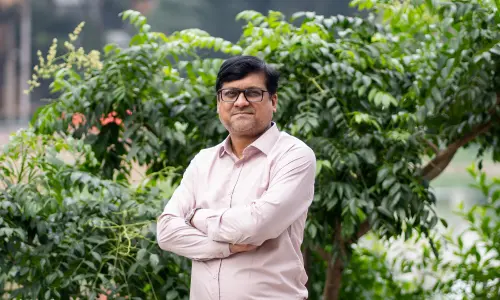
Dr. Mohammad Shibli Sadiq
Dr. Mohammad Shibli Sadiq completed his MD in Psychiatry at BSMMU and serves as Assistant Professor at the National Institute of Mental Health (NIMH). He is a Life Member of the Bangladesh Association of Psychiatrists and an International Member of the American Psychiatric Association. His BMDC registration is A 34144.
A Resident Medical Officer On-Site Every Day
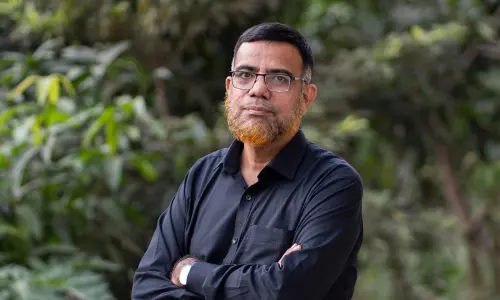
Dr. A.F.M. Masudur Rahman
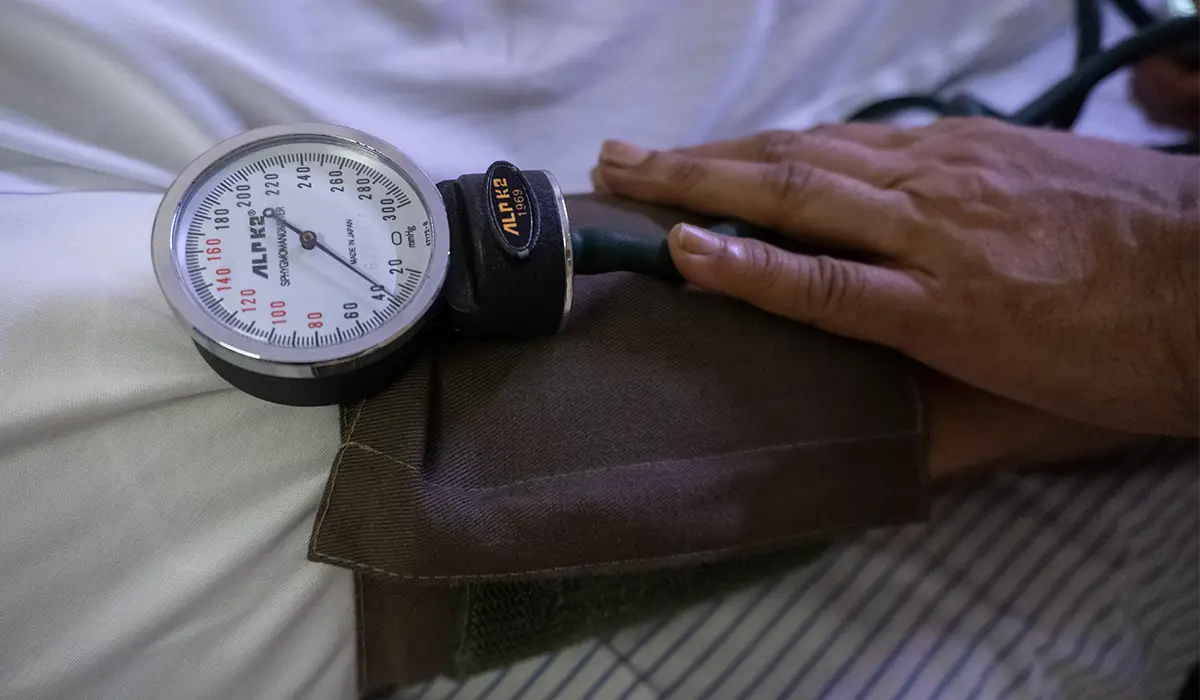
AMAR Home has a resident Medical Officer, Dr. A.F.M. Masudur Rahman (MBBS, PGT Psychiatry, BMDC Reg: A-53896), present at the center every single day. He manages admissions, supervises detoxification, and handles medical situations in real time.
A Government License That Is Real
AMAR Home is licensed by the Department of Narcotics Control (DNC), Ministry of Home Affairs, Government of Bangladesh. We are also ISO 9001:2015 certified by ASSIST Certification Services, accredited by an international body in Europe.
Families from Savar and Ashulia sometimes ask us how to tell whether a center’s license is genuine. The answer is straightforward: ask for the license number, then call the DNC and verify it. A real center has nothing to hide.
A Track Record Built Over 13 Years
AMAR Home has been operating since 2012. We have treated 1,154 patients. Our sobriety rate is 55%, measured by follow-up phone calls every two years after discharge. Not an estimated figure. A tracked one.
For families in Savar who are skeptical about recovery claims, that methodology matters. We do not claim a 90% success rate. We report what we actually measure.
EXCELLENT Based on 172 reviews
 Posted on Google
 Nion Hasan
Trustindex verifies that the original source of the review is Google.
Amar Home provided the right guidance and environment for my friend’s recovery. Their treatment quality makes them the best rehab center in Dhaka. AMAR Home is truly dependable.Posted on Google Rabbi Al MubinHighly recommend Amar Home — the best rehab center in Dhaka. My brother got treatment there, and now he’s doing great. If you’re near Uttara, it’s the right rehab center in Uttara to visit.Posted on Google
 Marjya SheikhAmar Home is the best rehab center in Dhaka. Their care, environment, and programs truly change lives. If you’re looking for a rehab center in Uttara, this is the one to trust.Posted on Google
 Marak Rumi Rumi marakI’m really thankful to Amar Home — the best rehab center in Bangladesh. Their Intensive Drug Rehab Program in Dhaka helped my cousin start a new life.Posted on Google
 Shamsuzzaman TareqI visited Amar Home recently, and I must say it’s an amazing rehab center in Dhaka. Their long term drug rehab in Dhaka plan gives real, lasting recovery.Posted on Google
 Shamsur Rahman RifatMy friend received medical treatment at Amar Home and had a very good experience. The staff were extremely helpful and provided excellent care. They were kind and professional, making sure my friend was well taken care of. I was very impressed by their service.Posted on Google
 Nosto Caleআমি এবং আমার পরিবার AMAR Home এর কাছে চির কৃতজ্ঞ। আমার বড় ভাই নেশাগ্রস্ত ছিল অনেক জায়গায় চিকিৎসা করার পরেও ভালো কোন ফল পাইনি। পরে অনলাইনে আমার হোম ড্রাগ এডিকশন ট্রিটমেন্ট সেন্টার খুঁজে পেলাম এবং তাদের সাথে যোগাযোগ করলাম। তারপর আমার বড় ভাইকে আমার হোম ট্রিটমেন্ট সেন্টারে ভর্তি করলাম। একনাগারে চার মাস চিকিৎসা করার পরে আলহামদুলিল্লাহ বড় ভাই এখন দুই বছর ধরে ভালো আছে।Posted on Google
 M S
M STrustindex verifies that the original source of the review is Google.
Assalamu Alaikum. I would like to know about your organization. Could you please let me know how can I contact with you? ThanksPosted on Google Mushfiqur RahmanI am so grateful for the assistance and attention I got at AMAR Home. The personnel at this place has a genuine understanding of the challenges associated with addiction, and they have always treated me with respect and compassion. Everyone, including the medical staff and counselors, is committed to assisting you in making a full recovery. I felt really understood and supported by the programs because they are thorough and customized to meet each person's needs. This is the right location to begin your journey if you or a loved one needs support. I will always be grateful for the encounter that transformed my life.
DRUG ADDICTION IN SAVAR AND ASHULIA: WHAT FAMILIES ARE DEALING WITH
Savar is one of the largest upazilas in Dhaka district, with a population of more than 2.3 million people. Ashulia alone is home to hundreds of garment factories and the workers who keep them running.
This is a working area. The people here are mostly in their twenties and thirties. They work long shifts. They live in shared housing. They send money home to families in other districts. And they are under significant, daily economic pressure.
That combination of factors, long hours, physical exhaustion, shared living quarters, peer networks, and financial stress, creates conditions where substance use spreads quickly and quietly.
Yaba Is the Primary Substance in Savar and Ashulia
In August 2024, Rapid Action Battalion officers arrested dealers in Ashulia carrying 42,220 yaba tablets, confirming what families in this area already know: yaba is widely available and actively distributed through the industrial belt of Savar and Ashulia.
Yaba is sold cheaply to workers as a way to work longer hours and suppress fatigue. That initial pattern of use, functional and seemingly controlled, is exactly how dependency develops without the user or family recognizing it as addiction until the pattern is deeply established.
By the time yaba dependency is visible in a worker’s behavior, the person has typically been using for six months to two years. The withdrawal process at that stage requires medical supervision. Home withdrawal is unsafe and almost always fails.
Why Savar Families Face Specific Barriers to Treatment
The families of workers in Savar face challenges that are different from those in Gulshan or Dhanmondi.
The first is cost. When the person with addiction is also the family’s income source, admission to a residential treatment center creates an immediate financial gap. Families ask not just about treatment cost but about how to survive the months when that income stops.
The second is information. Savar does not have the density of educational institutions or professional networks that Dhanmondi has. Families often rely on word of mouth to find treatment, which means they sometimes end up at unlicensed centers first.
The third is stigma. In close-knit working communities, addiction is often hidden for longer than it should be. Families manage the situation privately, sometimes for years, before the crisis becomes impossible to conceal.
Signs A Family Member in Savar Needs Clinical Treatment
These signs are common across all addiction cases, but in a working household they often appear alongside specific patterns related to income and work:
Regular wages not reaching the family each month, with vague explanations about expenses
Missing work shifts or being sent home early, with increasing frequency
Borrowing money from colleagues or neighbors without explanation
Sleeping through days off, then awake and restless through nights
Sudden aggression or irritability when asked about money or whereabouts
Physical deterioration: significant weight loss, poor hygiene, bloodshot eyes
Friends and colleagues expressing concern to the family before the family is ready to acknowledge it
A previous attempt to stop that lasted less than two to three weeks before reverting
If three or more of these are present, the situation needs professional clinical assessment. Call AMAR Home at +880 1976-131313. The first conversation is free, confidential, and carries no obligation to admit.
TREATMENT PROGRAMS FOR SAVAR AND ASHULIA PATIENTS
Both programs run from our fully residential center in Uttara. Patients are assessed individually and a program recommendation is made based on the clinical picture, not a fixed package.
Intensive Program
17 days
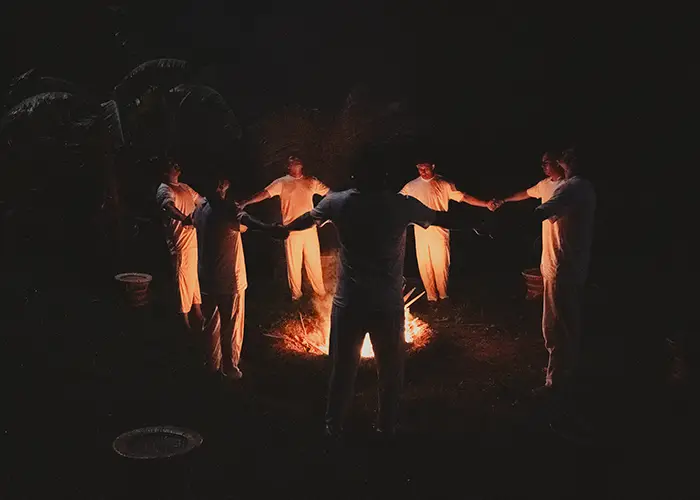
For patients who are voluntarily willing to begin treatment. Uses 12-Step Facilitation with daily medical supervision and group therapy. For Savar families where income loss over several months is a real barrier, the 17-day program can be a structured first step when full commitment to a longer program is not yet possible.
Long-term Program
Approx. 5 months

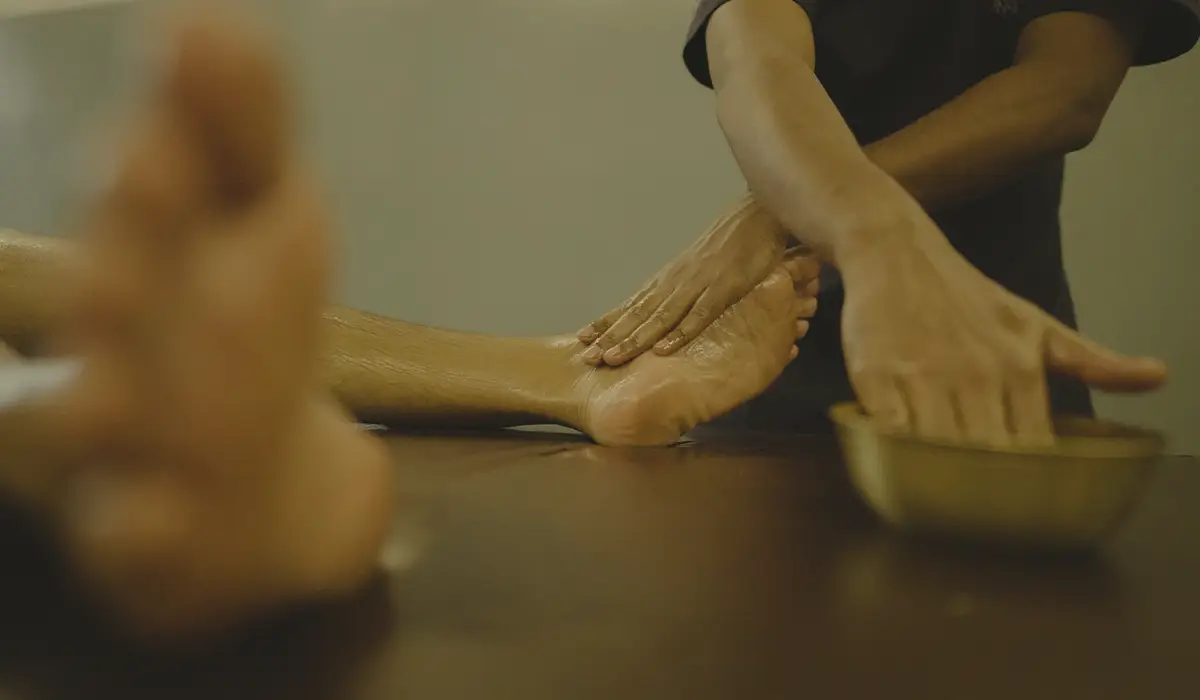
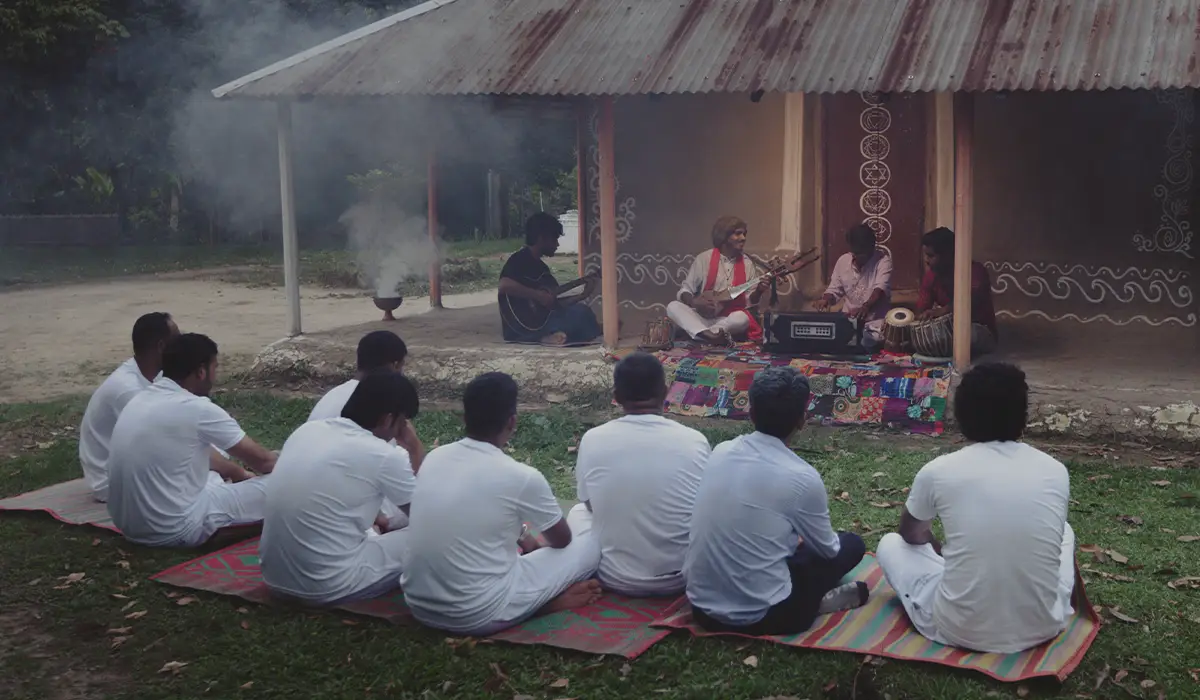
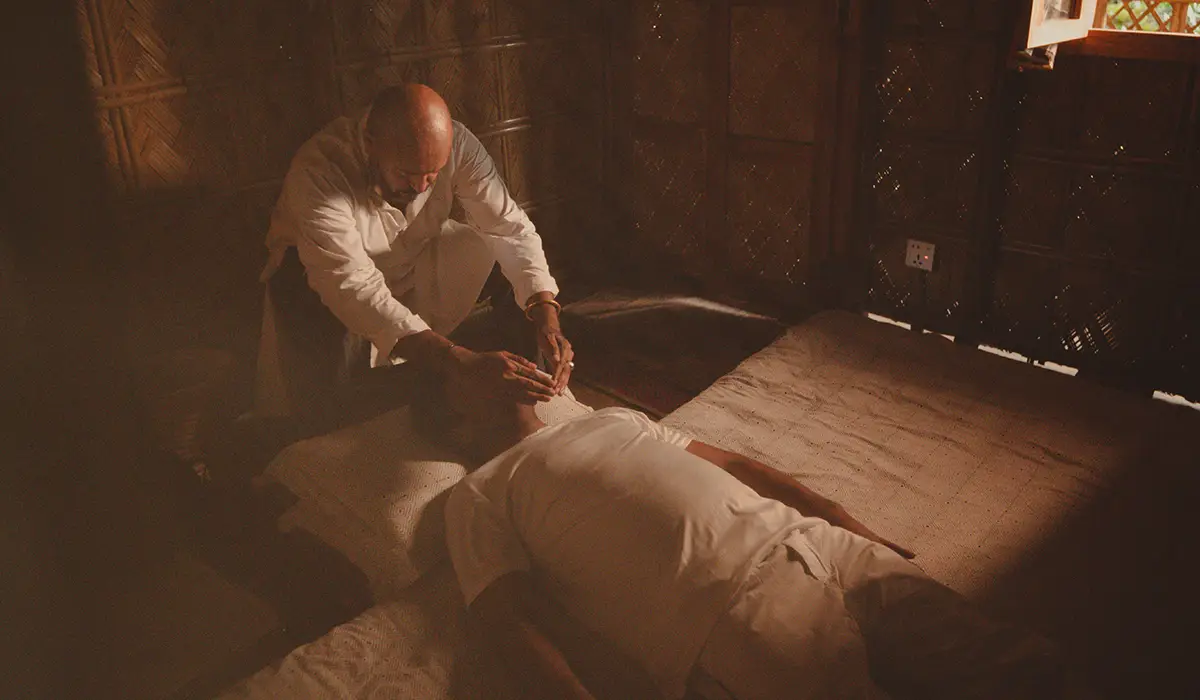
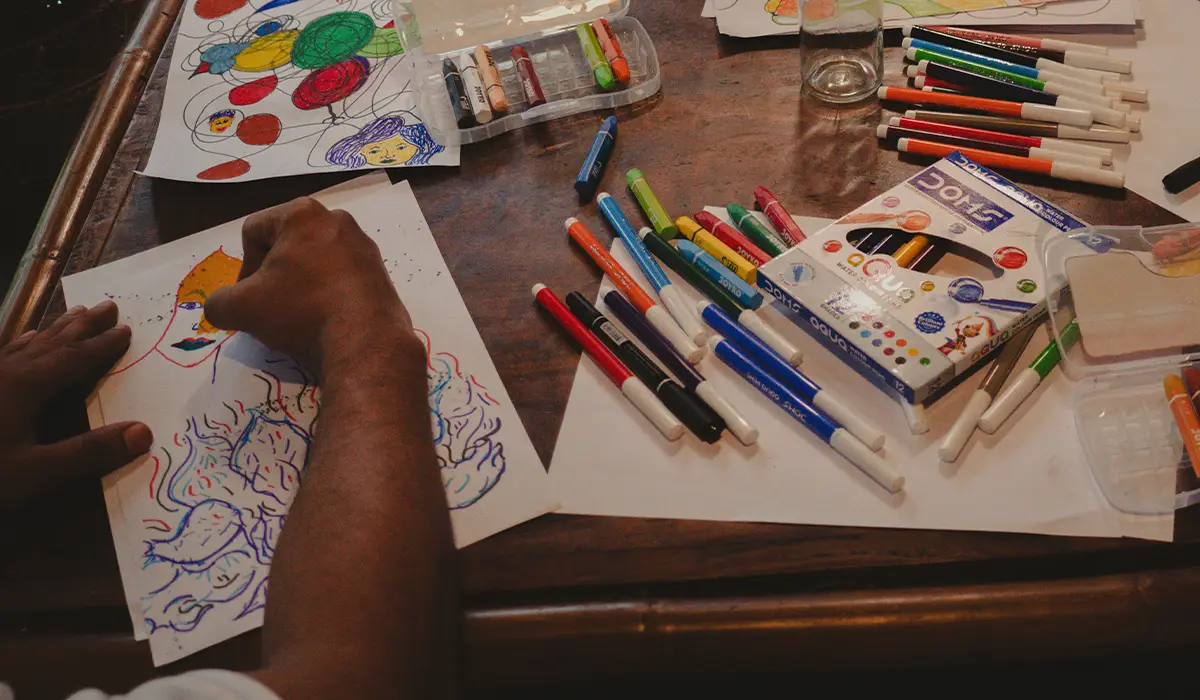
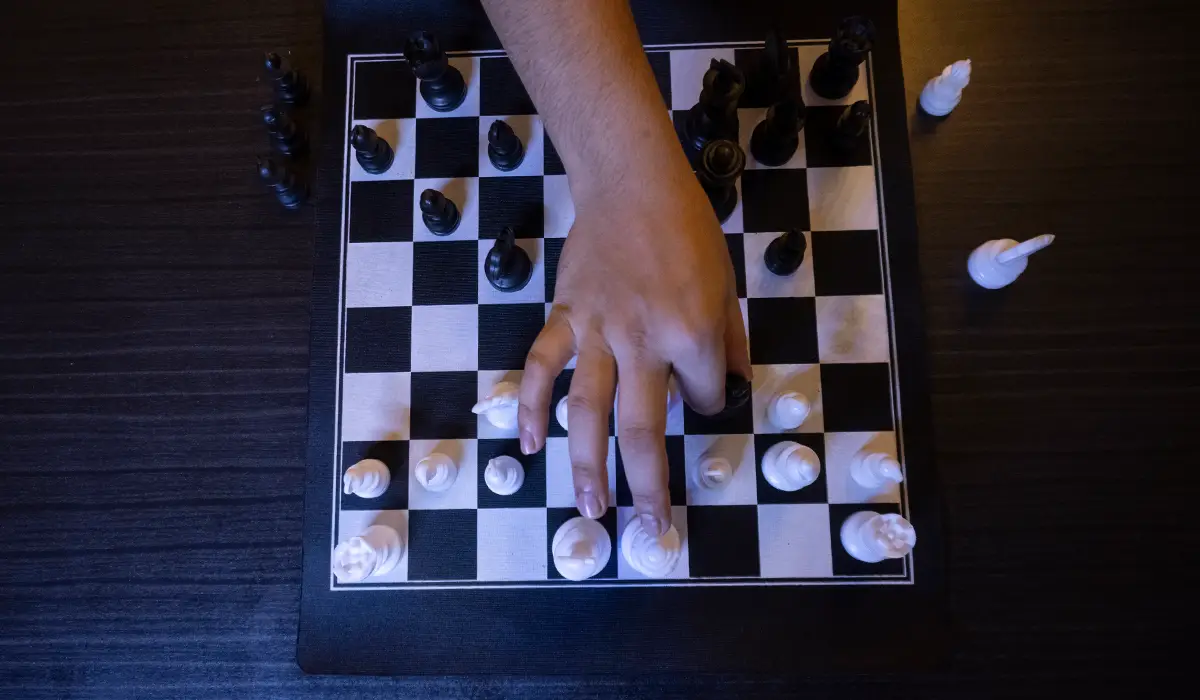
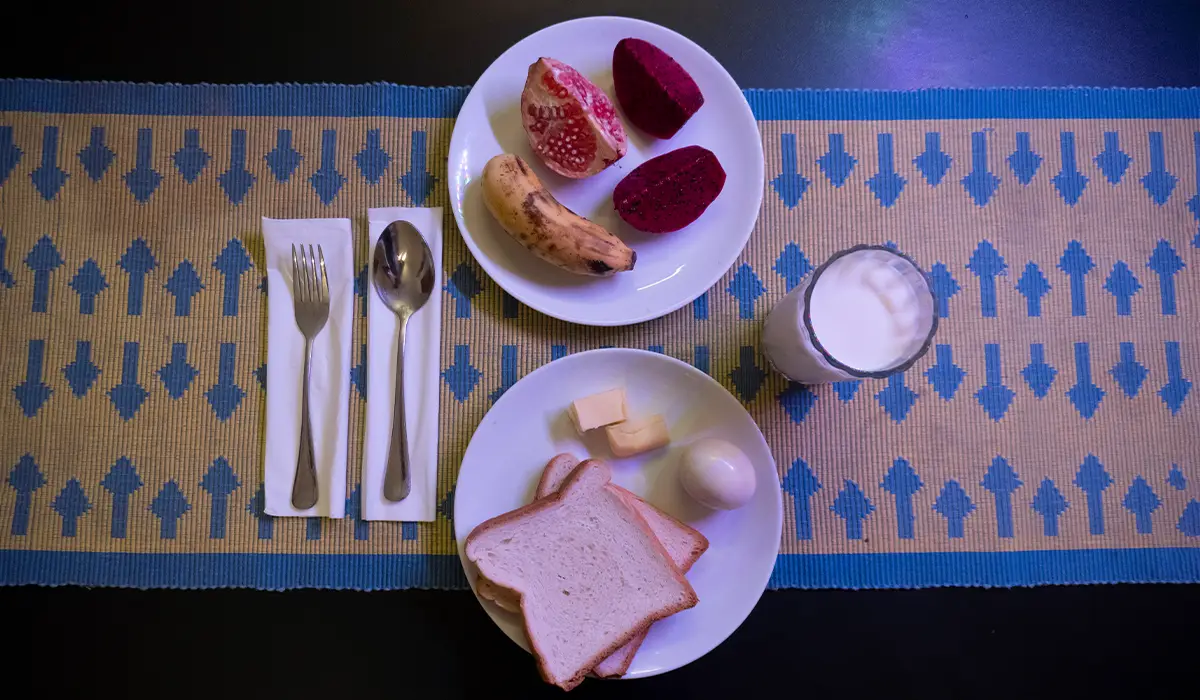
The complete recovery pathway. Medically supervised detox (15 days), residential therapy (2 months 15 days), intensive meditation (10 days), and structured aftercare (2 months). For yaba dependency of six months or more, this is the program that addresses both the physical and psychological dependency completely.
WHAT HAPPENS AFTER ADMISSION — STEP BY STEP
Families from Savar who have never dealt with a rehabilitation center before often do not know what to expect. Here is the process, from the first call to the final stage of aftercare.
First call and pre-admission conversation
Before any admission, our admissions team speaks with the family. We ask about the substance, the duration of use, the patient's current state, and any medical conditions. This call is free, confidential, and takes about 15 to 20 minutes. No family is pushed into an immediate decision.
Residential therapy (2 months 15 days)
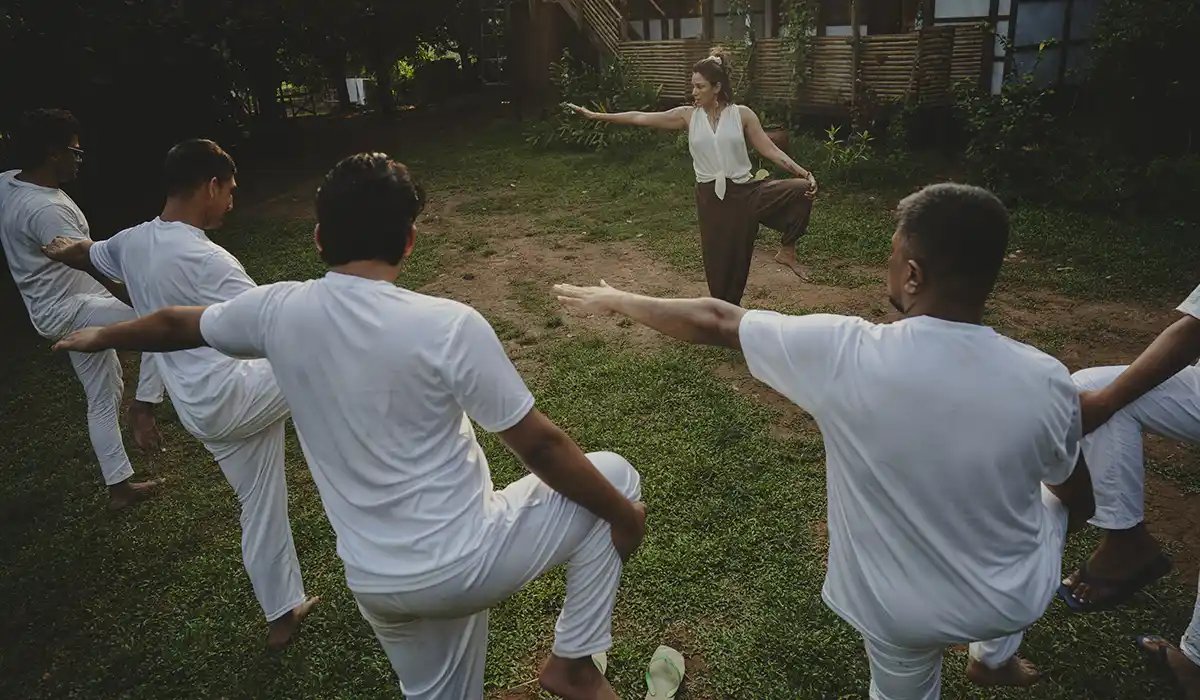
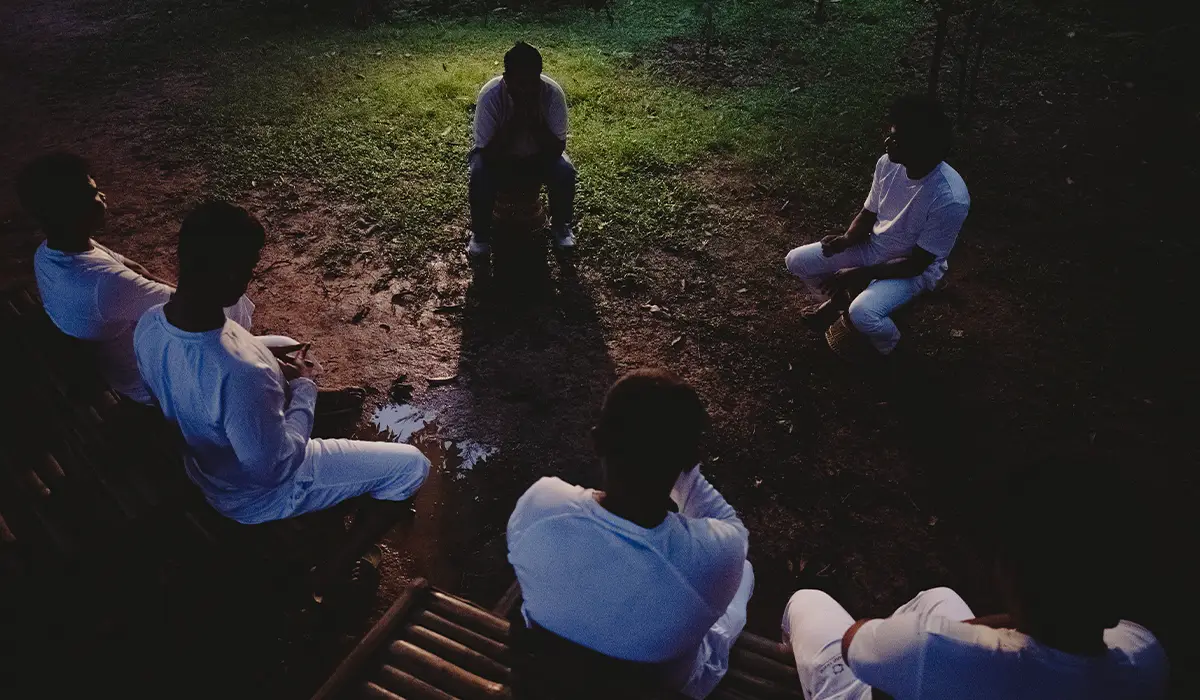
Daily group sessions, individual counseling, and CBT and DBT-based therapy. Family meetings happen monthly. For the first 45 days, patients do not have phone contact. This protects the recovery environment at its most critical phase. Families are informed of this before admission.
Admission and clinical assessment (Day 1)
On the day of admission, a resident Medical Officer conducts a full physical health review, addiction history, and psychiatric screening. The family meets our admissions coordinator before leaving. The patient does not go through this alone.
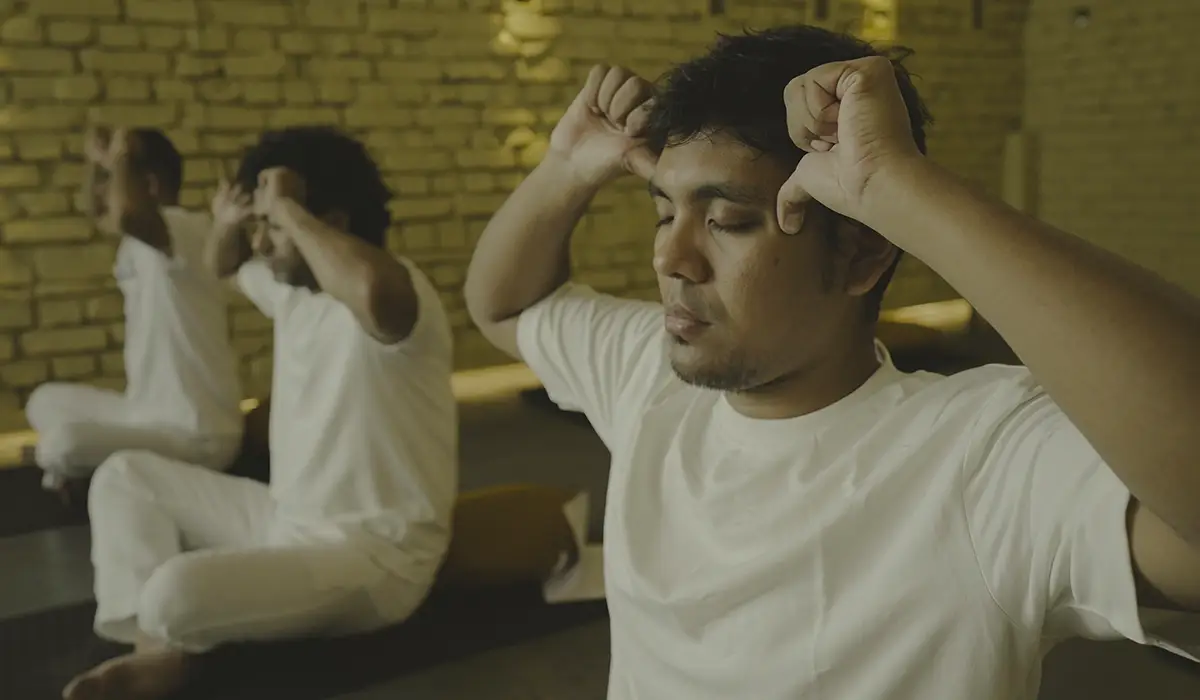
Intensive meditation (10 days)
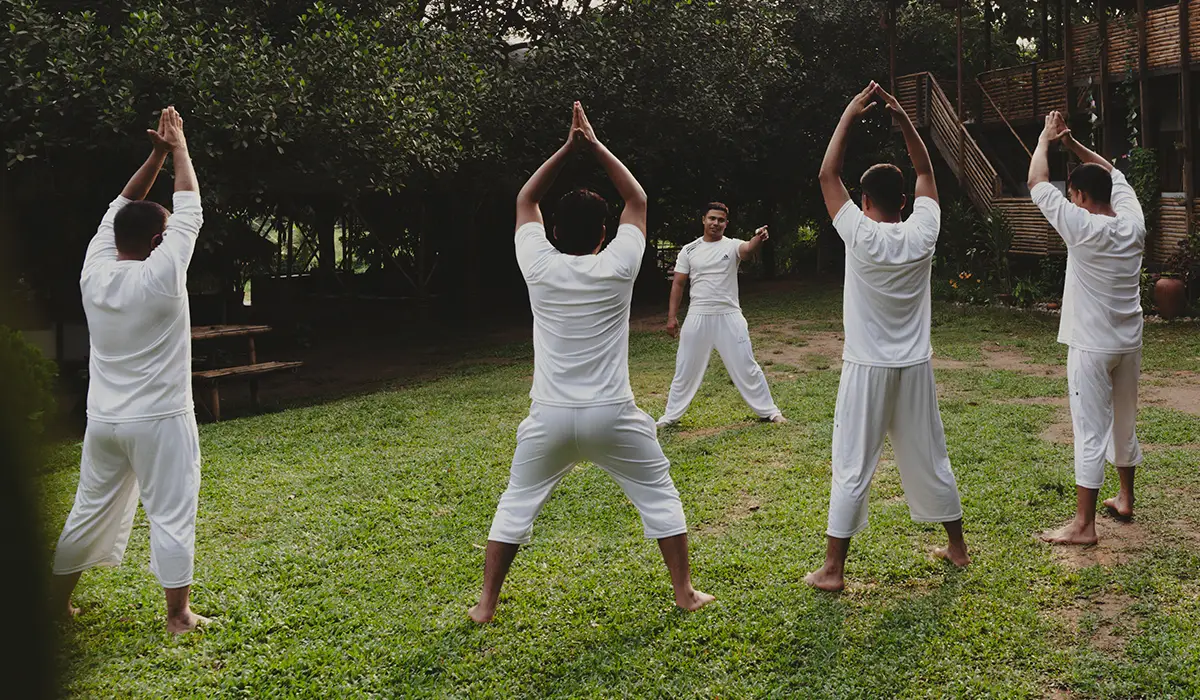
A structured period of reflection before discharge. This stage builds the internal stability a patient needs before returning to the same environment, the same neighborhood, and in many cases the same workplace, where the addiction developed.
Medically supervised detox (15 days)
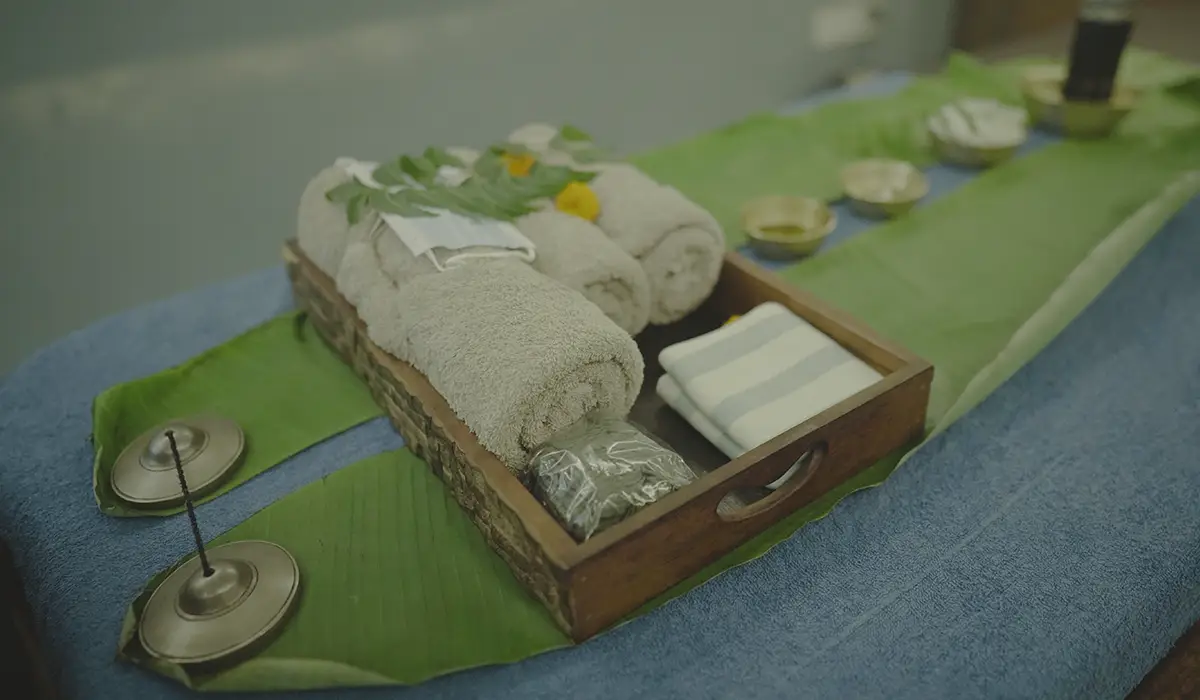
Physical stabilization under daily medical monitoring. Withdrawal from yaba requires careful clinical management because the psychological withdrawal symptoms are intense and require active psychiatric oversight, not just physical care. No patient goes through detox without a doctor present.
Aftercare and Brotherhood Program (2 months)
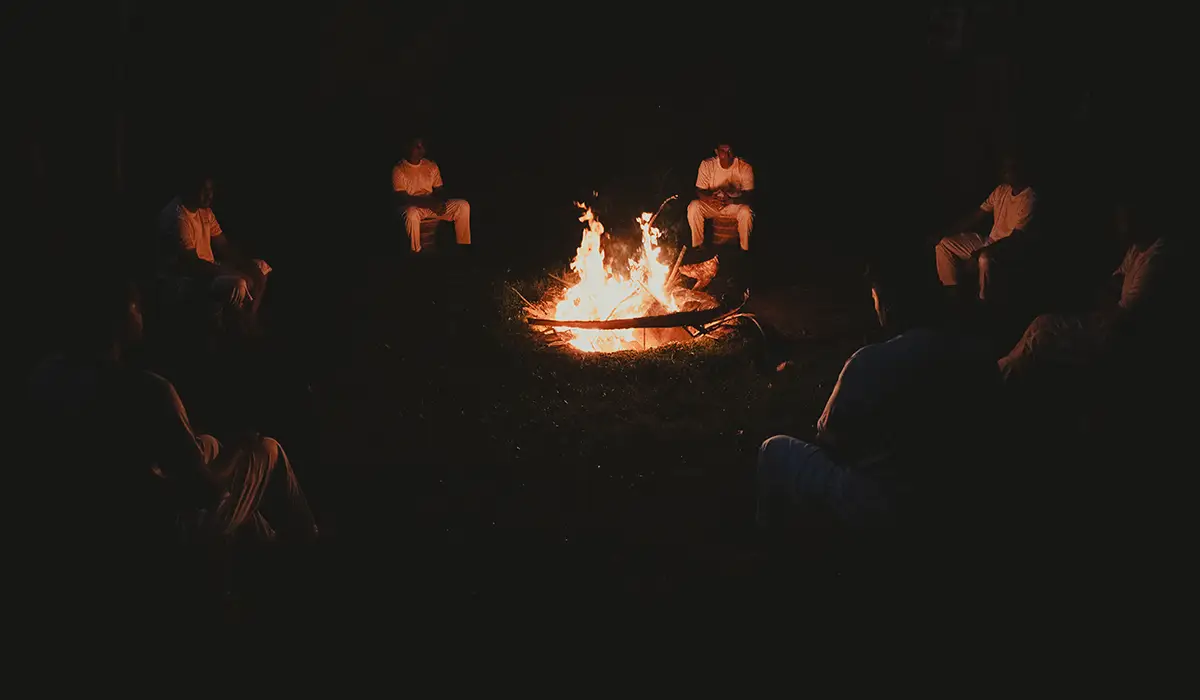
After discharge, patients join daily online support meetings and AMAR Home's peer alumni network. Regular follow-up calls track sobriety. For workers returning to Savar and Ashulia, this continued structure during the highest-risk relapse period matters more than almost anything else.
RECOVERY STORIES SAVAR FAMILIES RECOGNIZE
The families who contact us from Savar often describe the same pattern: a husband, son, or brother who was a reliable earner until the addiction took hold. Then the money started disappearing. Then the work started suffering. Then the family started struggling financially while also managing the behavior.
Imtiaz (name changed) was working in Dhaka when his yaba addiction developed from work pressure and the isolation of city life. He stole from clients to fund his use. His family in another district had no idea until the situation was already serious. He completed treatment at AMAR Home and now runs a small business of his own.
Rafiq (name changed) was in his twenties, educated, and seemingly managing his life from the outside. His family spent two years trying to handle the addiction through conversations and restrictions before admitting him. He is back in his studies now. The two years of delay cost far more than the treatment.
These stories are not rare. They are what AMAR Home sees from families across Dhaka, including from Savar and Ashulia.

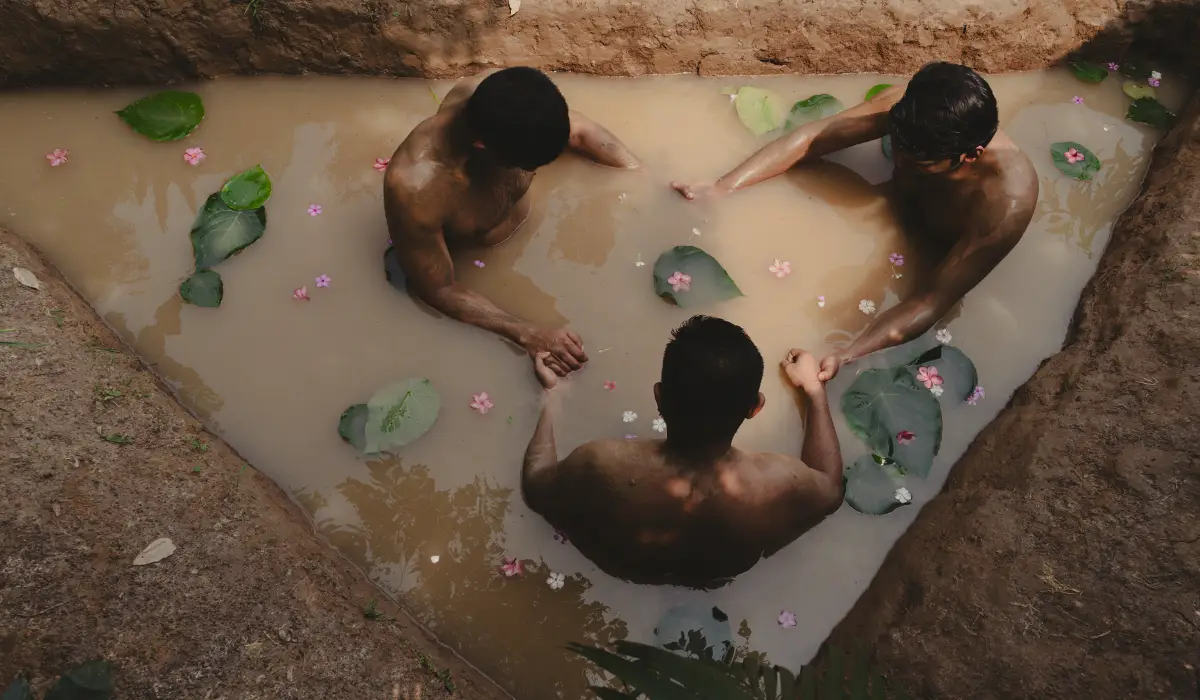
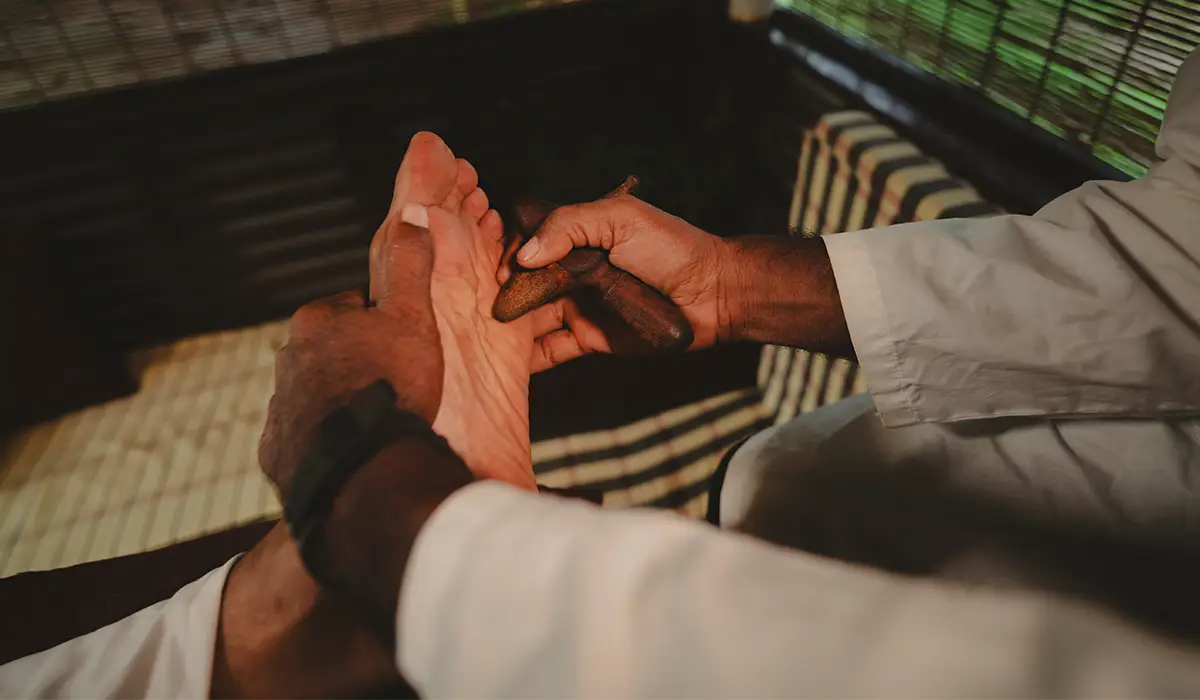
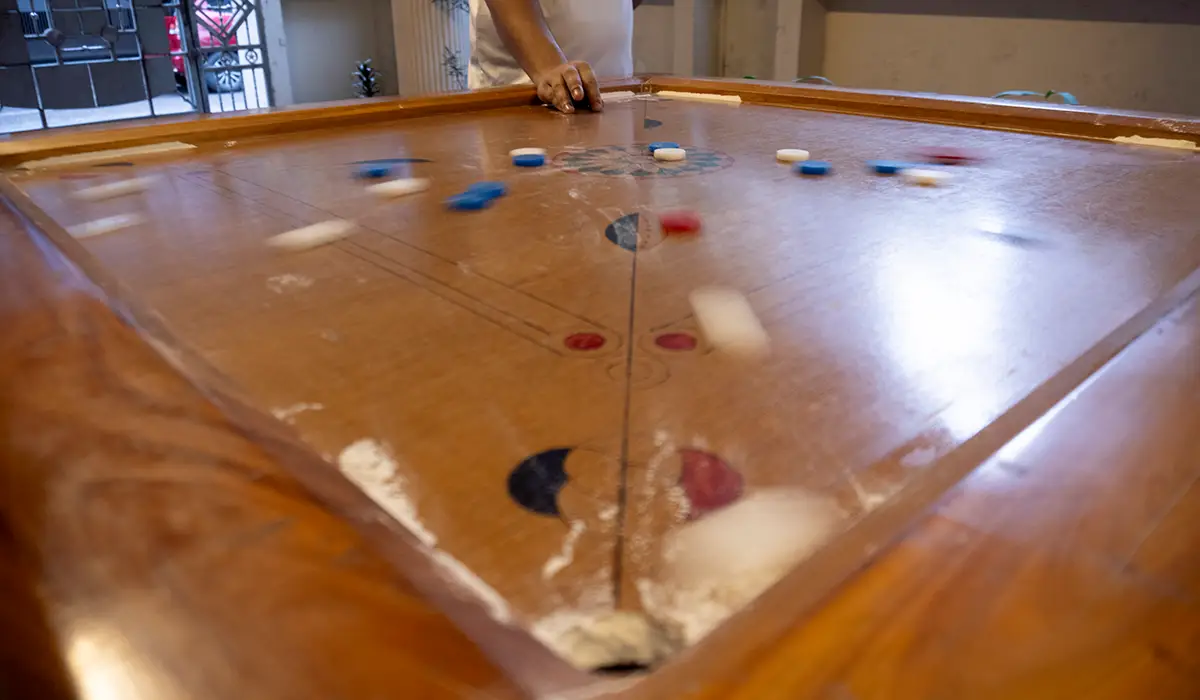
HOW TO REACH AMAR HOME FROM SAVAR AND ASHULIA
AMAR Home is at House 46, Road 02, Sector 09, Uttara, Dhaka 1230.
The route from Savar to Uttara is straightforward. Most families make the journey in 35 to 50 minutes outside peak hours.
From Savar town and Savar Bus Stand area
Take the Dhaka-Aricha Highway toward Dhaka city. At Aminbazar Bridge, continue toward Mirpur. From Mirpur, take the road to Pallabi and then connect to Airport Road heading north. Follow Airport Road to Uttara Sector 6 or 7, then proceed to Sector 9. Travel time: 40 to 55 minutes in normal traffic. Early morning or after 10am avoids the worst congestion on this route.
From Zirabo and Yearpur
Head toward Ashulia main road and then take the Diabari route to Abdullahpur. From Abdullahpur, Uttara Sector 9 is approximately 12 to 18 minutes. Total travel time from Zirabo: 35 to 48 minutes.
From Ashulia and the DEPZ area
From Ashulia, take the road toward Abdullahpur via Diabari. Abdullahpur connects directly to Uttara Sector 1, and from there Sector 9 is a 10-minute drive. This is actually one of the shortest routes among all the areas we serve. Travel time from Ashulia: 25 to 38 minutes, depending on the time of day.
Using navigation
Search 'AMAR Home Uttara Sector 9 Dhaka' in Google Maps. For families traveling for the first time, call us at +880 1976-131313 before you leave. Our team will guide you on the final stretch.
From Hemayetpur and Amin Bazar
Head toward Amin Bazar bridge, cross toward Mirpur, then take the Mirpur-Pallabi road to Airport Road north. Follow Airport Road to Uttara Sector 7, then proceed to Sector 9. Travel time: 38 to 50 minutes.
HOW TO AVOID UNLICENSED CENTERS AND FIND REAL HELP
Savar and the surrounding industrial areas have a number of places that operate as rehabilitation centers. Not all of them are legitimate. Families who have been through a bad experience with an unlicensed center often describe the same things: money taken upfront, no doctor present, and no real treatment happening.
Here is how to check whether any center you are considering is legitimate.
Step 1: Ask for the DNC license number
Every legitimate drug addiction treatment center in Bangladesh must hold a current license from the Department of Narcotics Control (DNC). Ask specifically for the license number, not just a photo of a certificate. Then call the DNC directly to verify it is current and valid. A center that cannot provide a specific license number is not operating legally.
Step 4: Ask about the payment structure before admitting
Legitimate centers are transparent about costs before admission. They should be able to tell you the monthly fee, what is included, what is billed separately, and what payment methods they accept. Never pay a large amount upfront before seeing the facility and speaking with the clinical team.
Step 2: Ask for the name and BMDC number of the treating doctor
A rehab center without a registered doctor is not a medical facility. It is a hostel. Ask for the full name and BMDC registration number of every doctor involved in patient care. Then verify those numbers at bmdc.org.bd. This is a free check that takes five minutes and tells you more than any website or brochure will.
Step 5: Ask to visit the center before admission
Any credible rehabilitation center will allow a family to visit the facility before admitting a patient. If a center discourages or refuses a pre-admission visit, do not admit your family member there.
Step 3: Ask what happens during detox at night
Withdrawal from yaba can involve severe psychological symptoms including paranoia, aggression, and acute anxiety, particularly at night. Ask specifically who is present at the center overnight and what the protocol is if a patient has a medical emergency at 2am. If the answer is vague, that is your answer.
FREQUENTLY ASKED QUESTIONS
Is AMAR Home located in Savar?
AMAR Home is not located in Mirpur. The center is based in Uttara, Sector 9, Dhaka — approximately 30 to 40 minutes from Mirpur 1, 10, and Pallabi by CNG or ride-share. Dozens of patients from Mirpur, Kafrul, Pallabi, and Senpara Parbata have completed treatment at AMAR Home. The distance has not been a barrier for any Mirpur family who has admitted a patient here.
How much does treatment at AMAR Home cost for a Savar family?
The Long-Term Program is priced between 40,000 and 60,000 BDT per month depending on the individual care plan. The Intensive Program (17 days) is priced separately. Payment is accepted by cash, bank transfer, and bKash. AMAR Home does not take large upfront payments before admission. For a specific cost based on your situation, call +880 1976-131313.
How do I know if a rehab center is legitimate before I pay?
Ask for the center’s DNC license number and verify it directly with the Department of Narcotics Control. Ask for the BMDC registration number of the treating doctor and verify it at bmdc.org.bd. Visit the facility before making any payment. A legitimate center will cooperate with all three of these checks without hesitation.
What if my family member refuses to go for treatment?
This is one of the most common situations AMAR Home’s admissions team handles. Forced admission without any voluntary engagement significantly reduces treatment outcomes. Before admitting a patient who is resistant, call us at +880 1976-131313. Our team can guide families on how to approach the conversation and what options exist depending on the patient’s current state.
Can a garment worker or factory worker get proper treatment at AMAR Home?
Yes. AMAR Home has treated patients from all occupational and economic backgrounds, including factory workers and daily wage earners from the Savar and Ashulia industrial areas. The clinical protocols are the same regardless of a patient’s background. If cost is a concern, discuss your specific situation with our admissions team at +880 1976-131313 before making any decision.
How long will the family member be away during treatment?
The Intensive Program is 17 days. The Long-Term Program runs approximately five months, covering detox, residential therapy, meditation, and aftercare. During the first 45 days of treatment, patients do not have phone contact with family. Monthly family meetings are held at the center. The admissions team explains the full timeline before any admission.
Is yaba addiction treatable even after years of use?
Yes. Yaba addiction is treatable at any stage, though longer duration of use generally requires longer and more intensive treatment. Patients who have been using for two or more years typically need the Long-Term Program to address the physical and psychological dependency completely. The psychiatric team at AMAR Home assesses each case individually and recommends the appropriate program.
Can the family visit AMAR Home before deciding on admission?
Yes. Families from Savar and Ashulia are welcome to visit AMAR Home in Uttara before making any admission decision. Many families find that seeing the facility in person answers questions that phone conversations cannot. To arrange a visit, call +880 1976-131313. The visit is confidential and carries no obligation.
TALK TO OUR TEAM. NO COMMITMENT, FULLY CONFIDENTIAL.
If your family in Savar or Ashulia is dealing with drug addiction right now, you do not need to figure this out alone.
Call AMAR Home at +880 1976-131313, any time of day or night. Our admissions team will listen without judgment, answer your questions honestly, and help you understand exactly what the right next step is. There is no obligation, no pressure, and no fee for the first conversation.
The families who wait the longest tell us the same thing when they finally call: they wish they had done it months earlier.